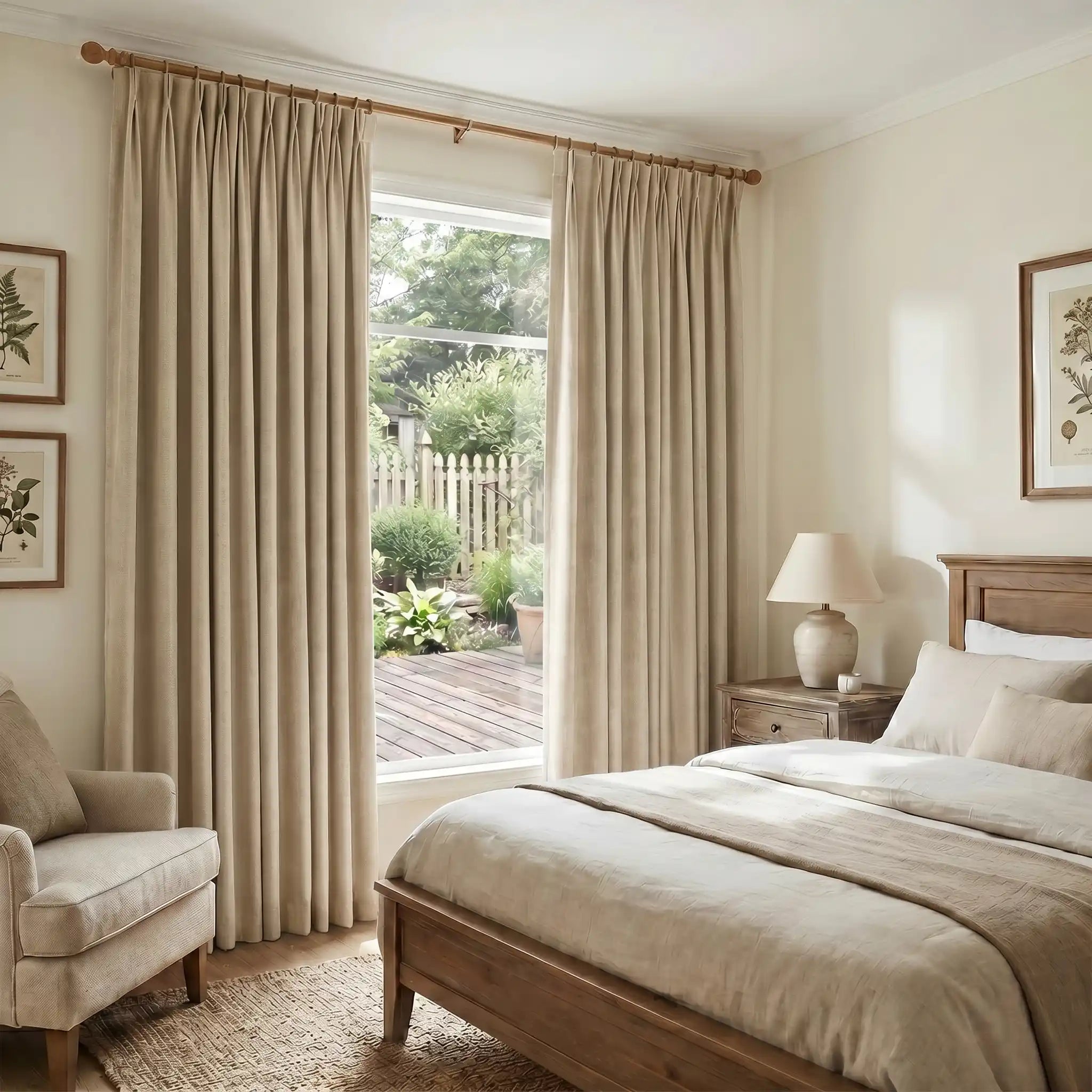
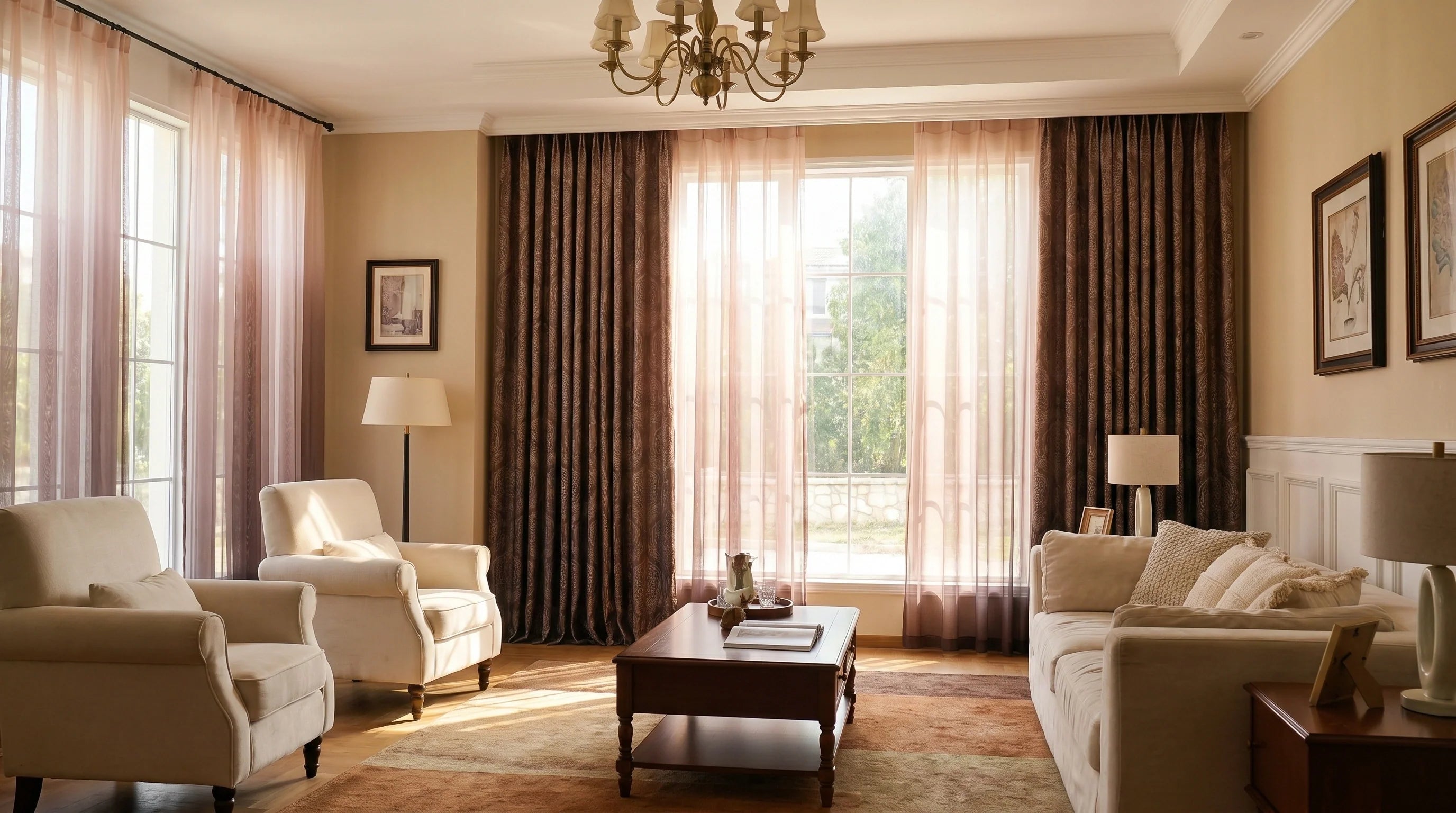
Window treatments sit in that interesting space between architecture and decoration. They manage light and privacy, but they also change how polished a room feels. If you are weighing layered window treatments, the best answer usually comes from understanding how the option behaves in real life, not just how it looks in a catalog photo.
Instead of asking what is most popular, ask what will still feel right six months after installation. A room that works beautifully day and night will always age better than one that was styled for the first impression alone.
Why Layering Works Harder and Looks Richer
The real question behind this topic is why layering works harder and looks richer. Once that is clear, many of the usual shopping distractions fall away. Features that sound equally appealing on a product page suddenly show their strengths and weaknesses much more honestly.
Layering gives you two treatments doing different jobs: a shade handles privacy and light control close to the glass, while curtains frame the window and add softness, texture, and height. Together they create a result that neither could achieve alone — and they give you far more flexibility throughout the day.
A classic starting point is a Custom Linen Sheer Solid Curtain as the outer layer — it diffuses light beautifully when the shade is raised and adds a soft, finished frame to the window at all times.

Pairings That Usually Succeed
A lot hinges on pairings that usually succeed. It is one of those design choices that seems subtle until you compare two rooms side by side. One feels balanced and useful; the other feels almost right but never completely settled.
This is also where material and construction matter. Layered curtains tend to work best when the goal is a softer, more natural finish — linen sheers over a zebra or roller shade is one of the most reliable combinations for living rooms and bedrooms. Structured window treatments earn their place when coverage, definition, or ease of use matter more than visual lightness alone.
For a warmer, more textured outer layer, the Custom Linen Texture Ombre Sheer Curtains add a subtle gradient that works well over a solid-colored shade without competing with it.

Proportion and Color Balance
A lot hinges on proportion and color balance. It is one of those design choices that seems subtle until you compare two rooms side by side. One feels balanced and useful; the other feels almost right but never completely settled.
Living room window treatments shine when you want the treatment to recede into the background — neutral sheers over a white or off-white shade keep the window zone calm and let the room's other elements lead. Shades and curtains together usually make more sense when you need the window treatment to do more visible work, anchoring a large wall or adding contrast to a neutral room.
For a layered look that adds depth without visual weight, pair the Custom Luxury Silk-Fiber Ombre Blackout Curtains as the inner blackout layer with a lighter sheer panel in front — full darkness when needed, softness the rest of the time.

A Practical Takeaway
The detail people forget is proportion. Even beautiful fabric can look slightly off if the rod sits too low, the panels are too narrow, or the mount leaves distracting gaps. In other words, the treatment has to fit the architecture as well as the style.
Final Thoughts
The best result is usually the one that feels calm and inevitable once it is installed. That is what to aim for with layered window treatments: not just something attractive, but something that makes the whole room read better.