





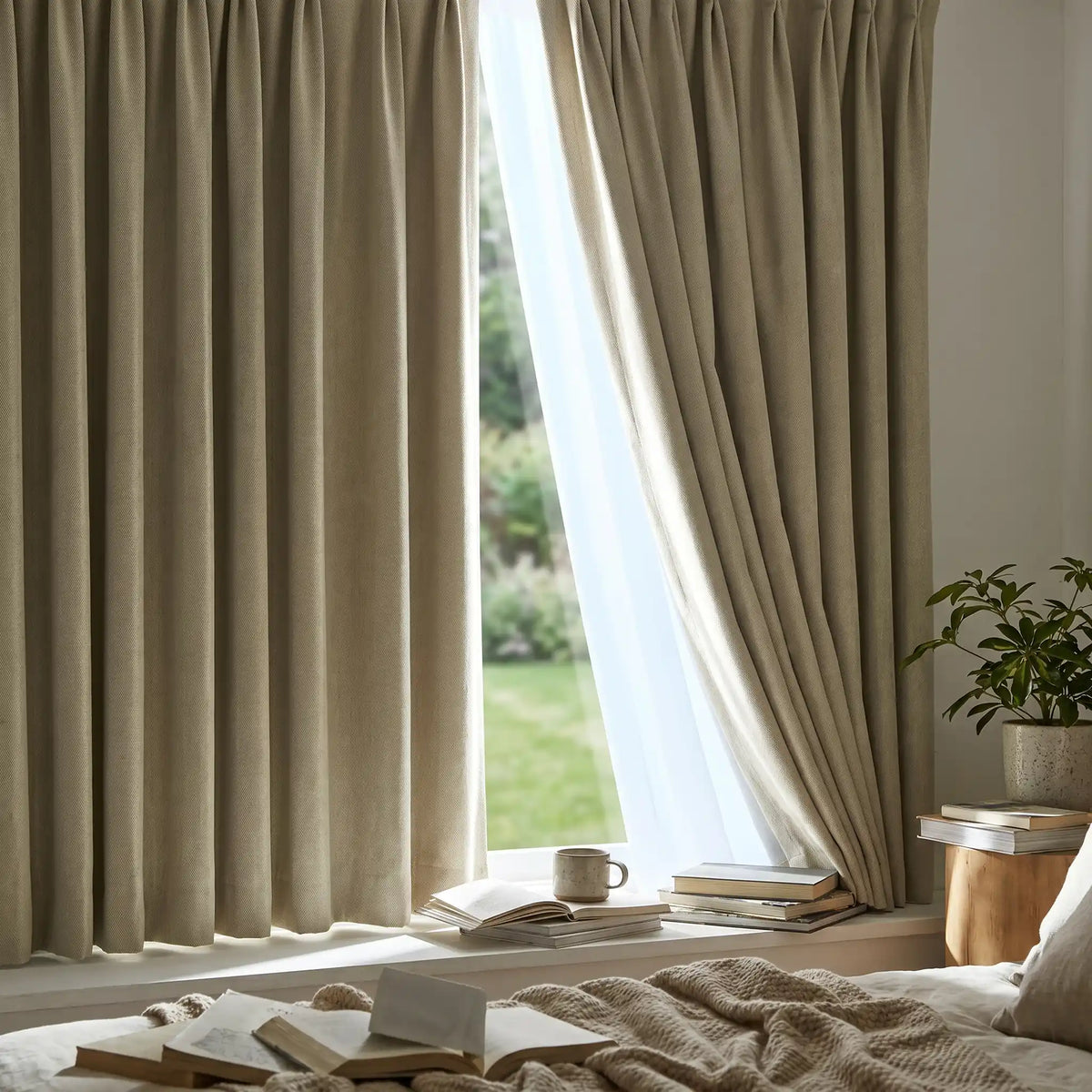

DWCN Natural Linen Blackout Woven Texture Curtains


DWCN Leto Sandstone Slub Linen Sheer Curtain


DWCN Calliope Cream Linen Voile Curtain


DWCN Rhea 100% Linen Natural Flax Slub Sheer Curtain


DWCN Ophelia Custom Linen Roman Shades


DWCN Florence Custom Linen Roman Shades


DWCN Beatrice Custom Linen Roman Shades


DWCN Seraphina Custom Linen Roman Shades

Layered for a Better Home
Combine blackout curtains and sheers to create depth, comfort, and beautifully balanced light.


From Bare to Beautiful
See how custom curtains transform light, texture, and atmosphere in every space.


Trusted Standards
Certified for safety, sustainability, and everyday comfort.

Safe for Your Home

Quality Verified

Certified Recycled Materials

Verified Recycled Fibers

#DWCNHome in Real-Life
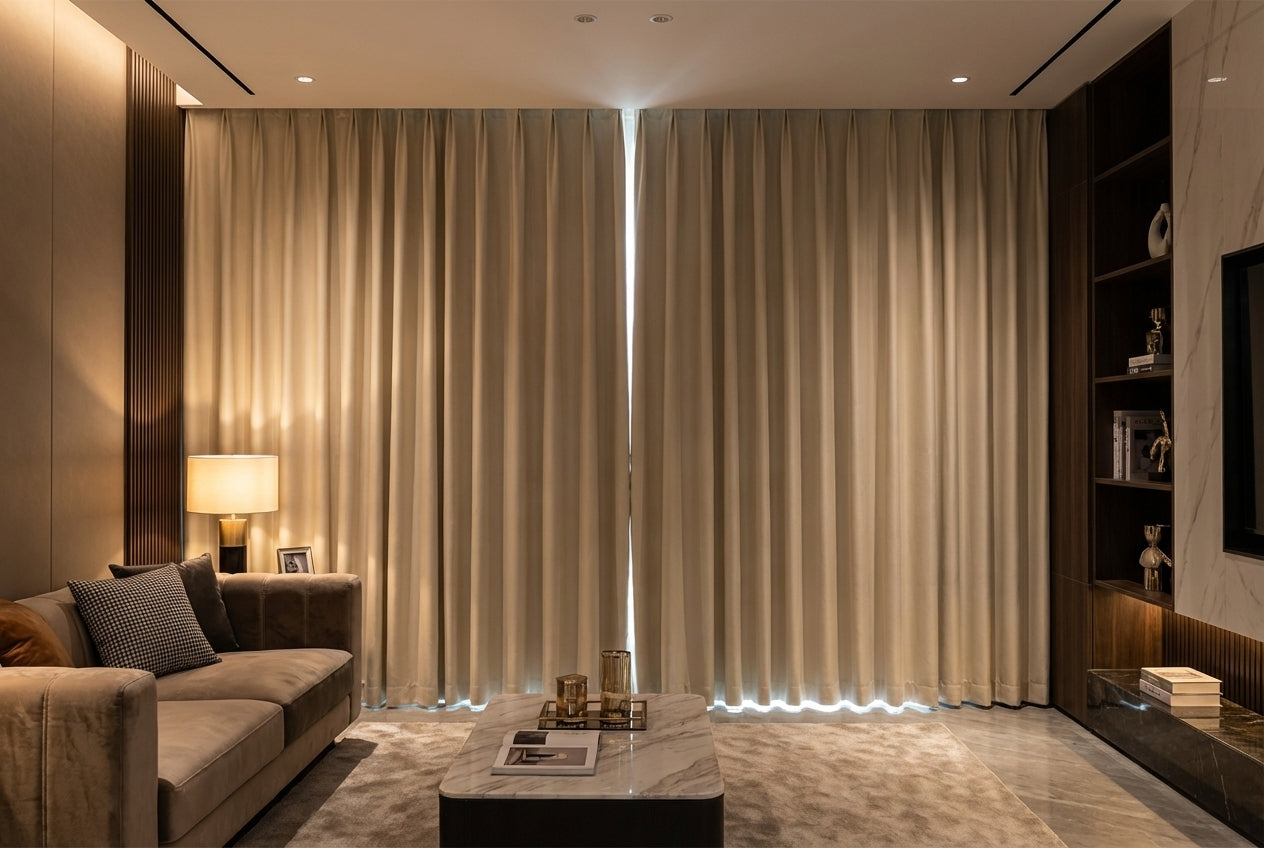
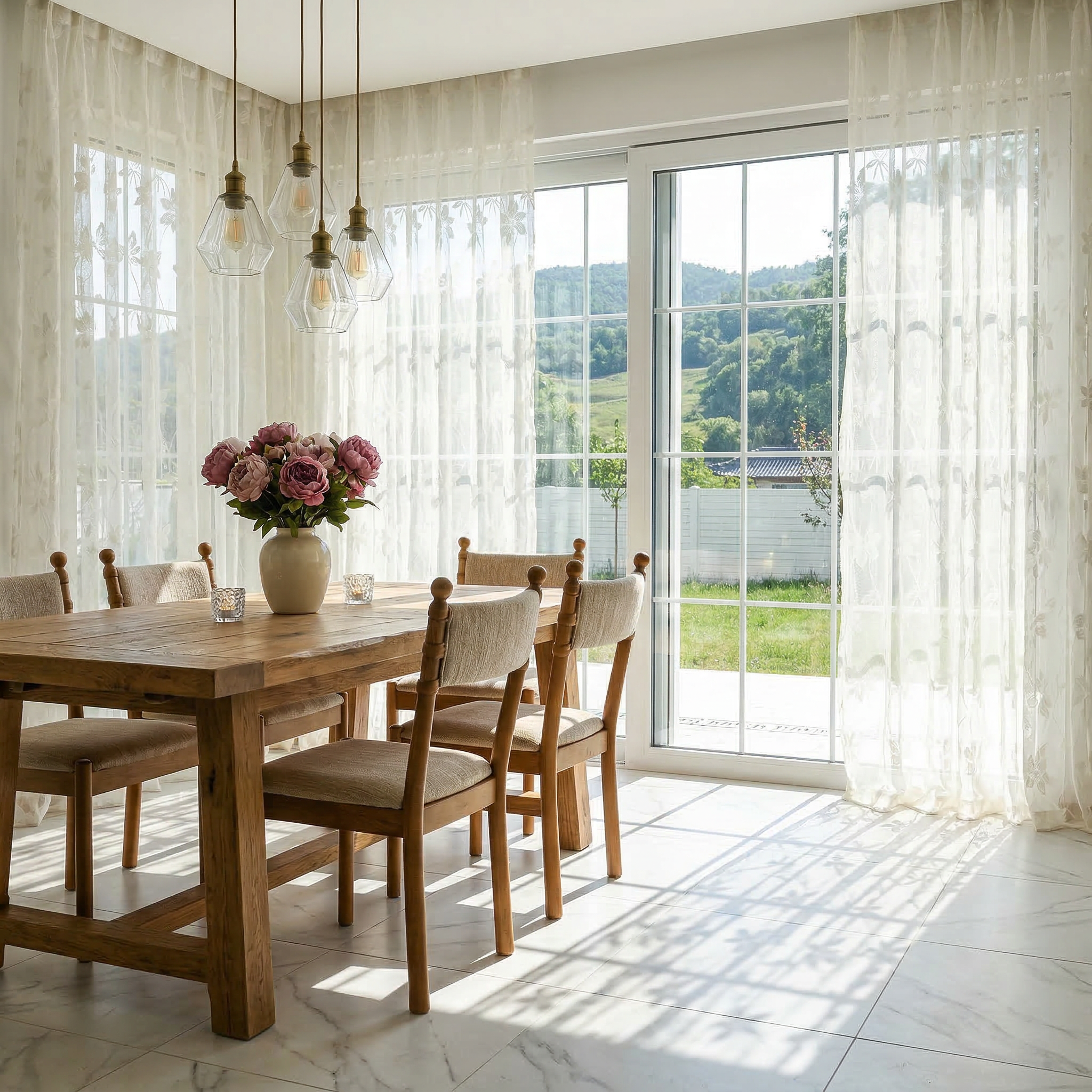
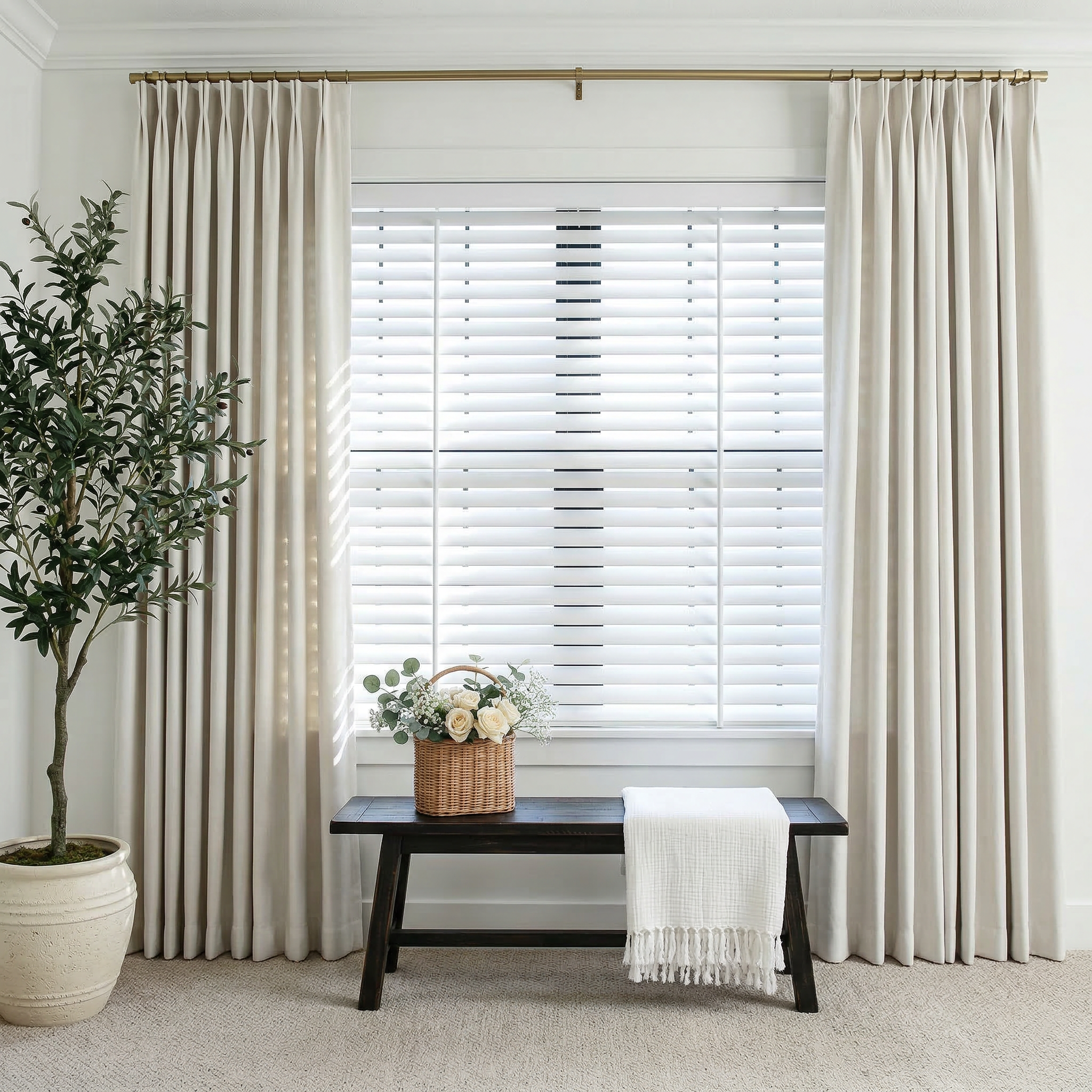
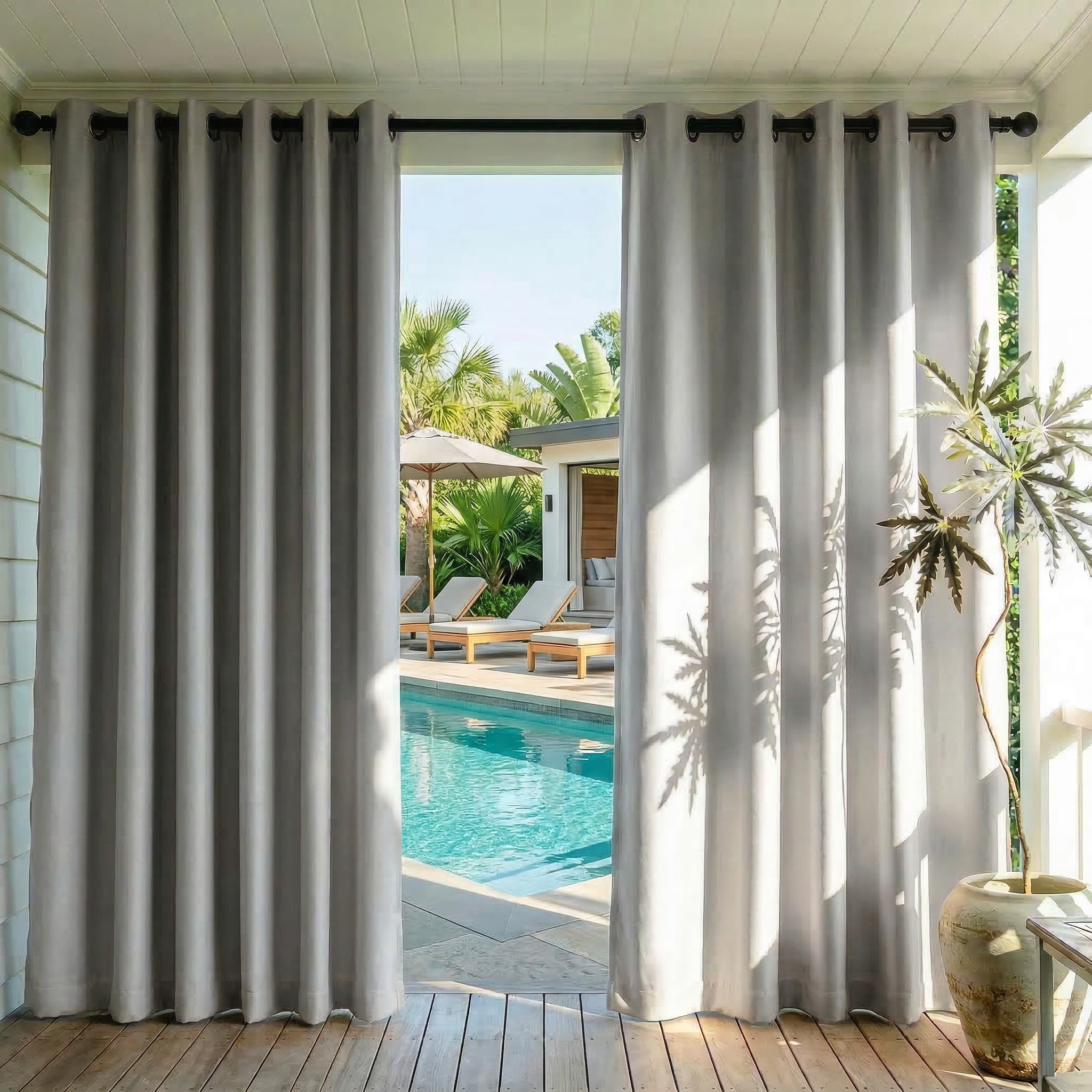
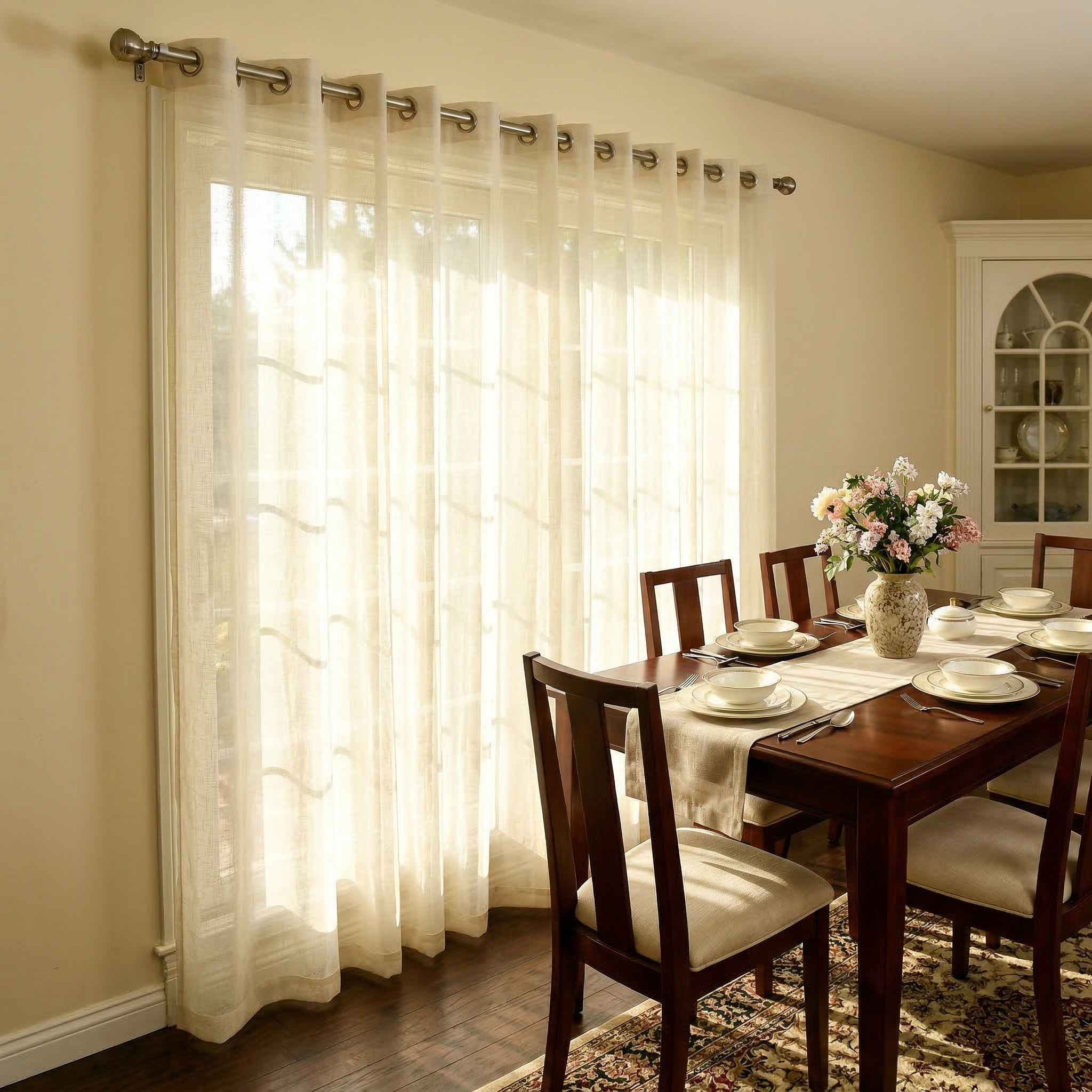
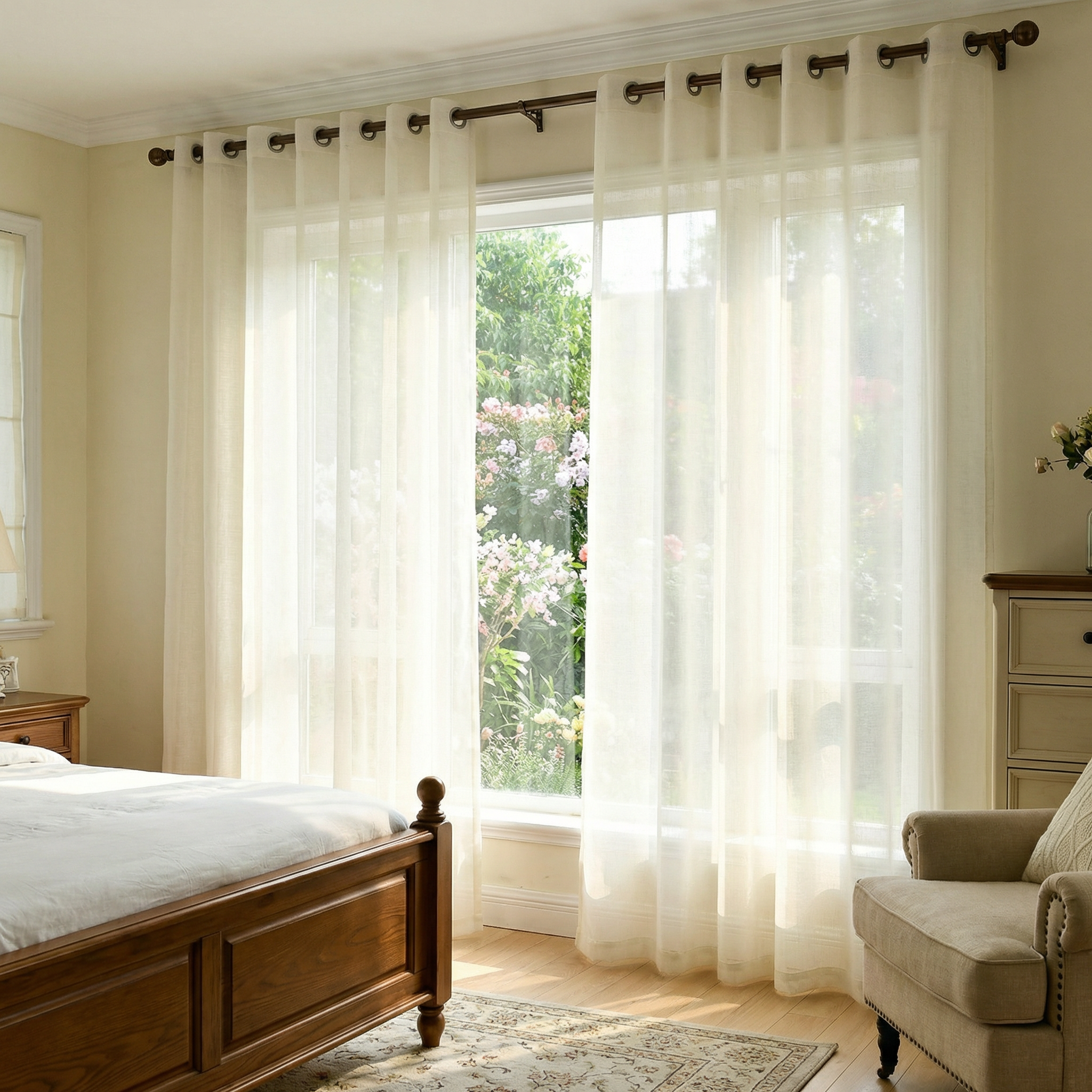
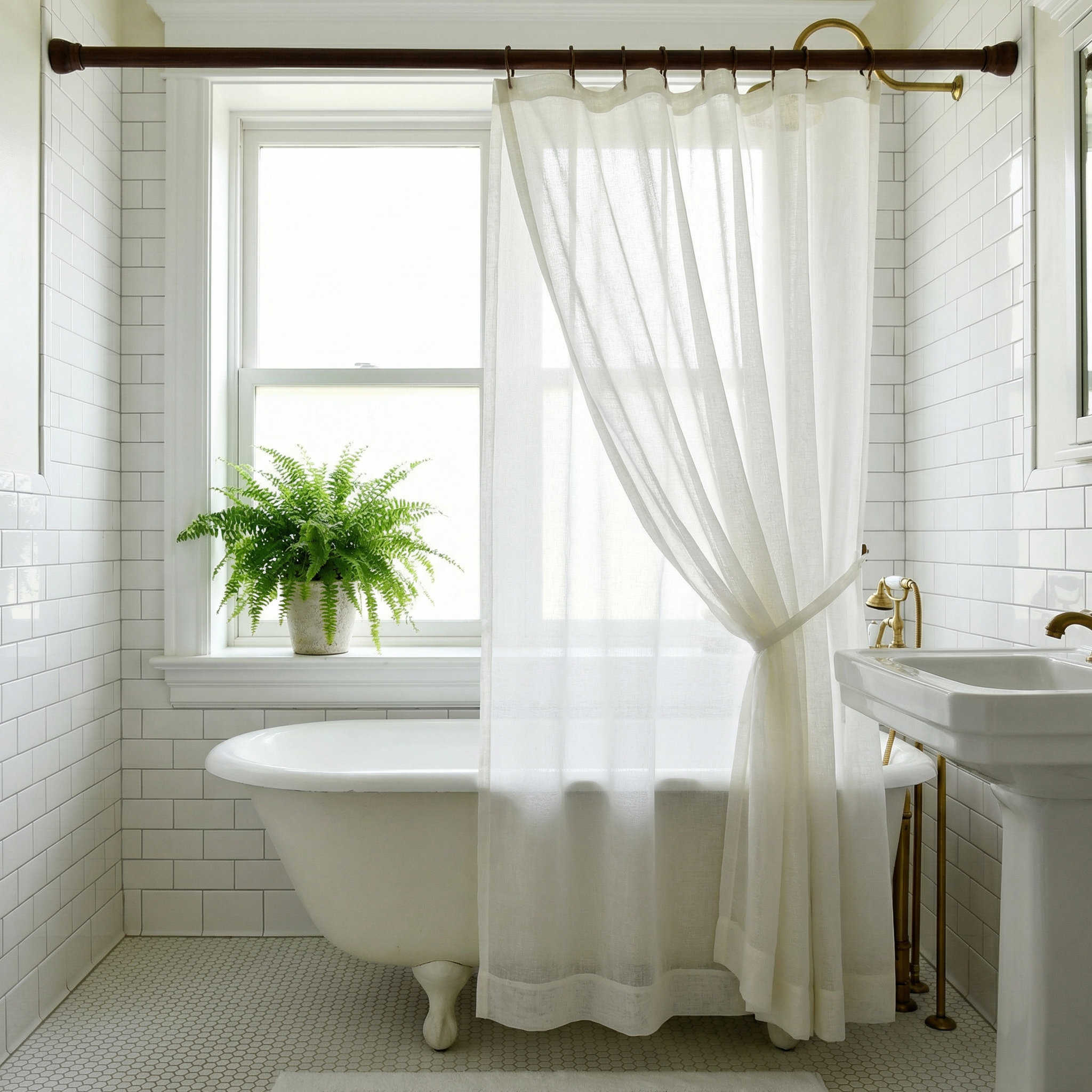
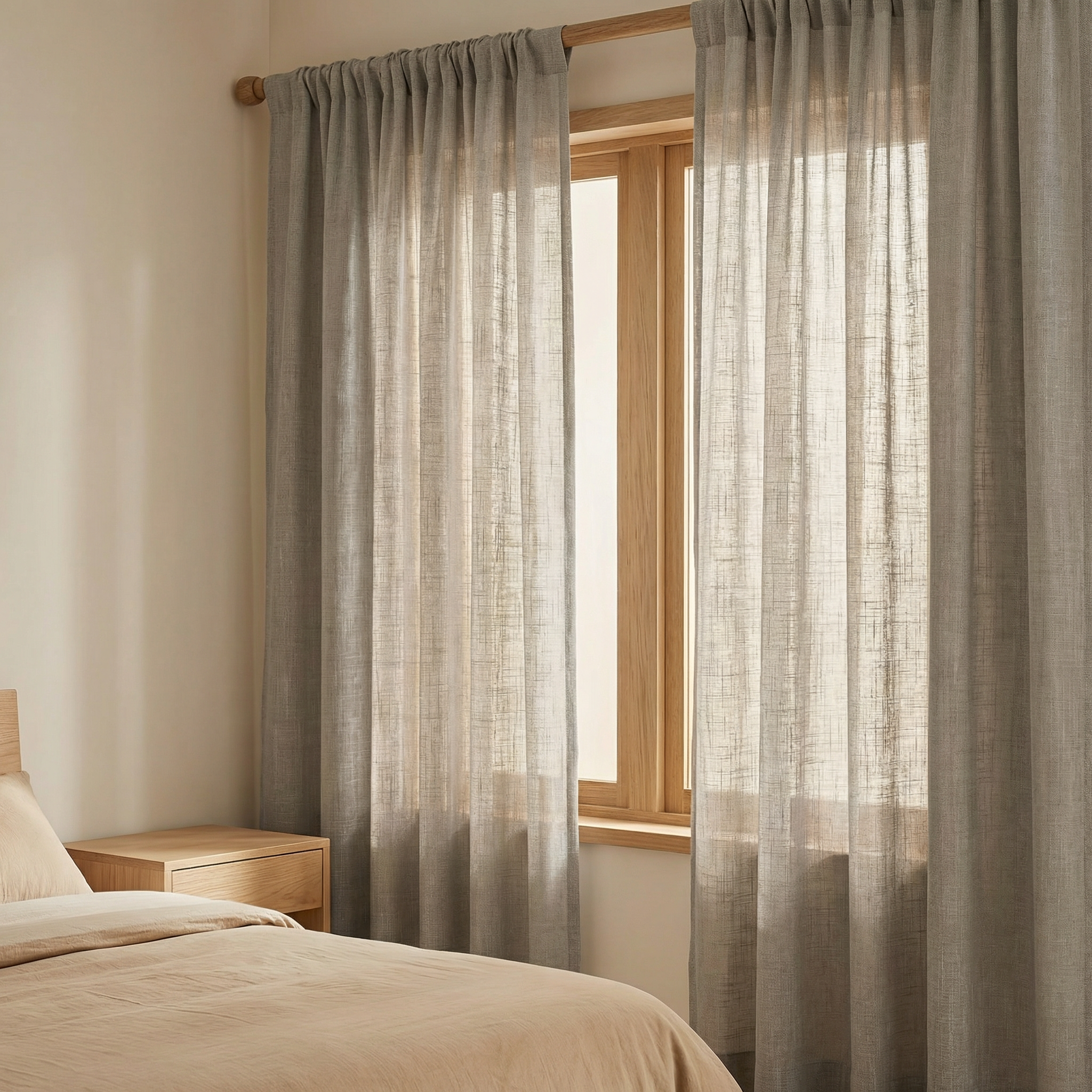
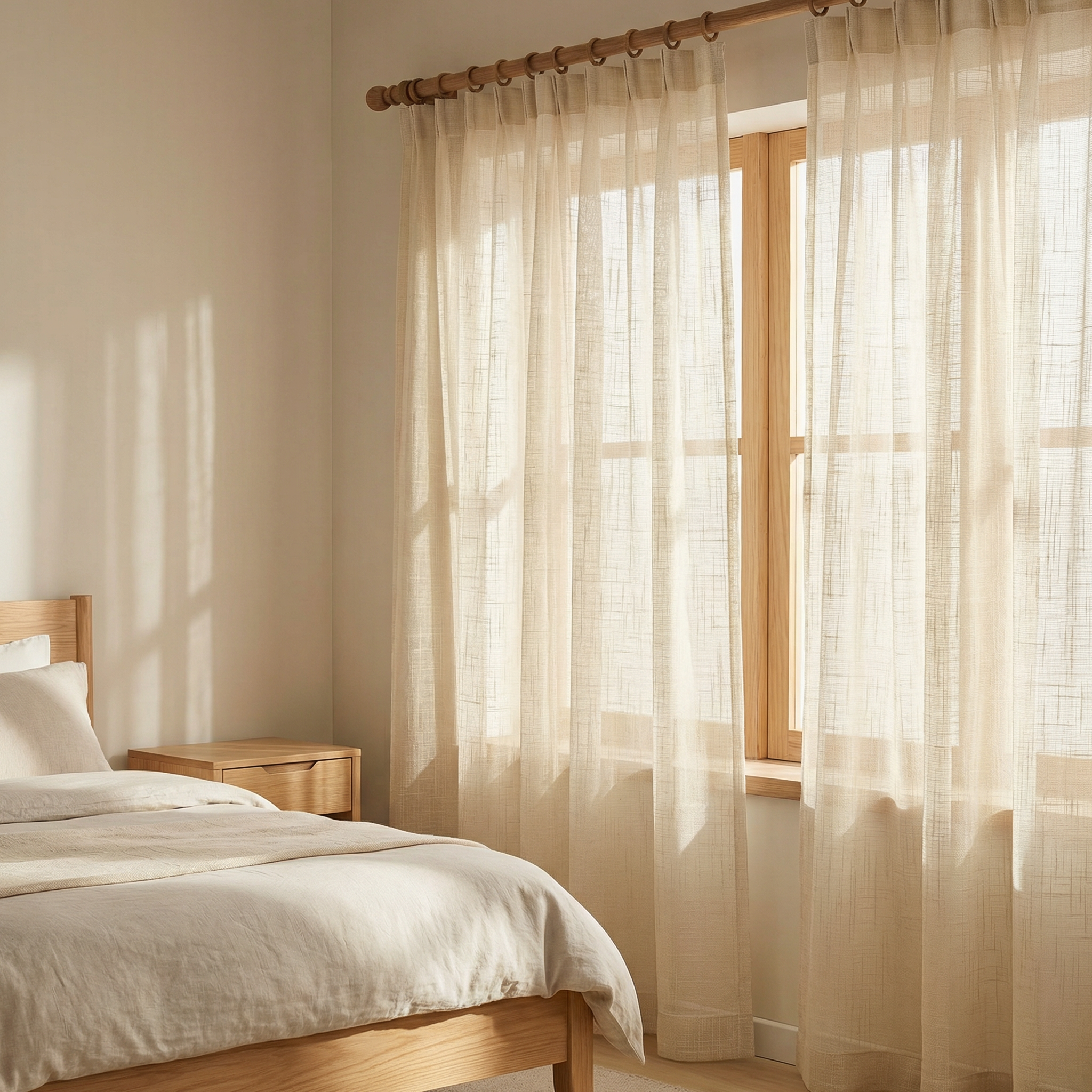
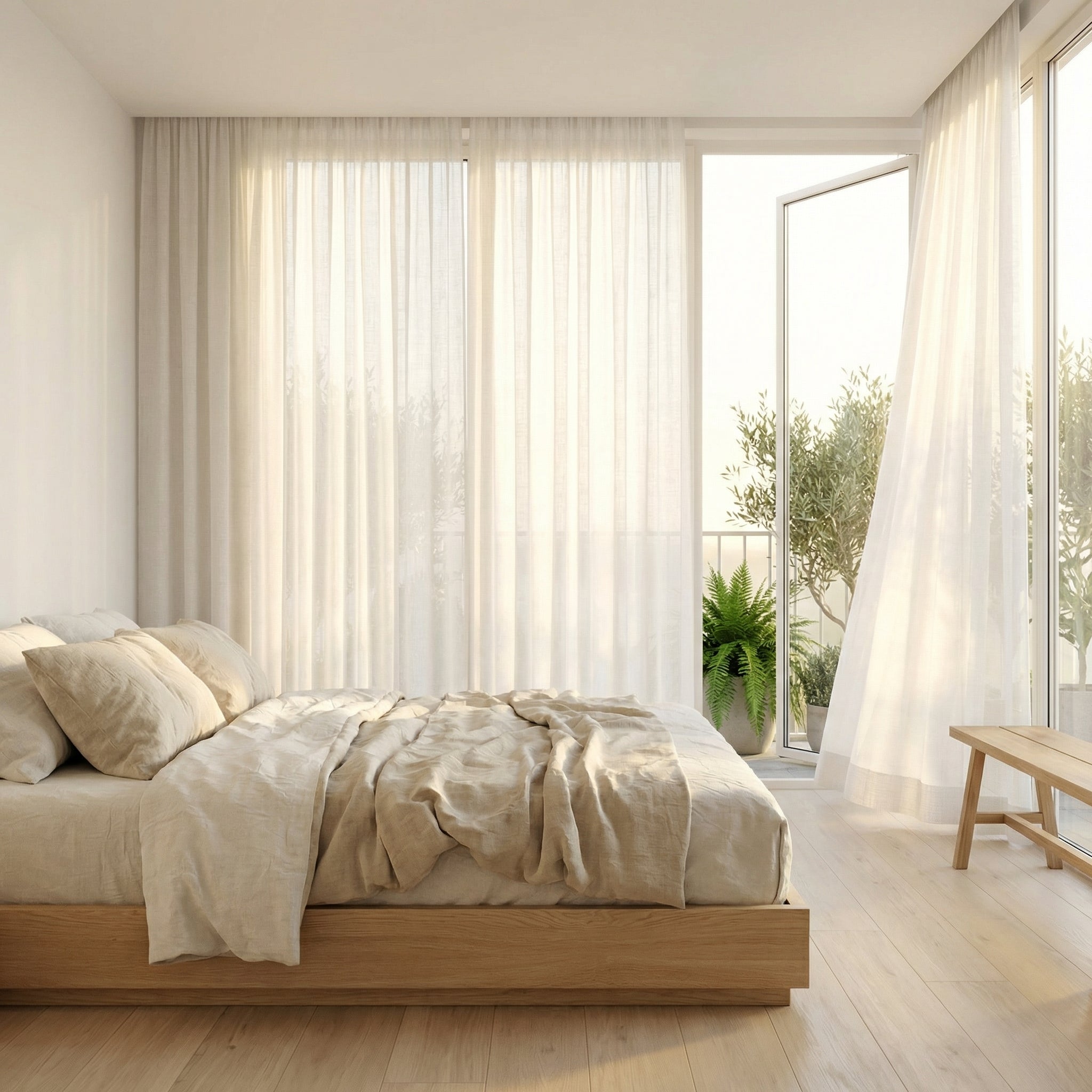
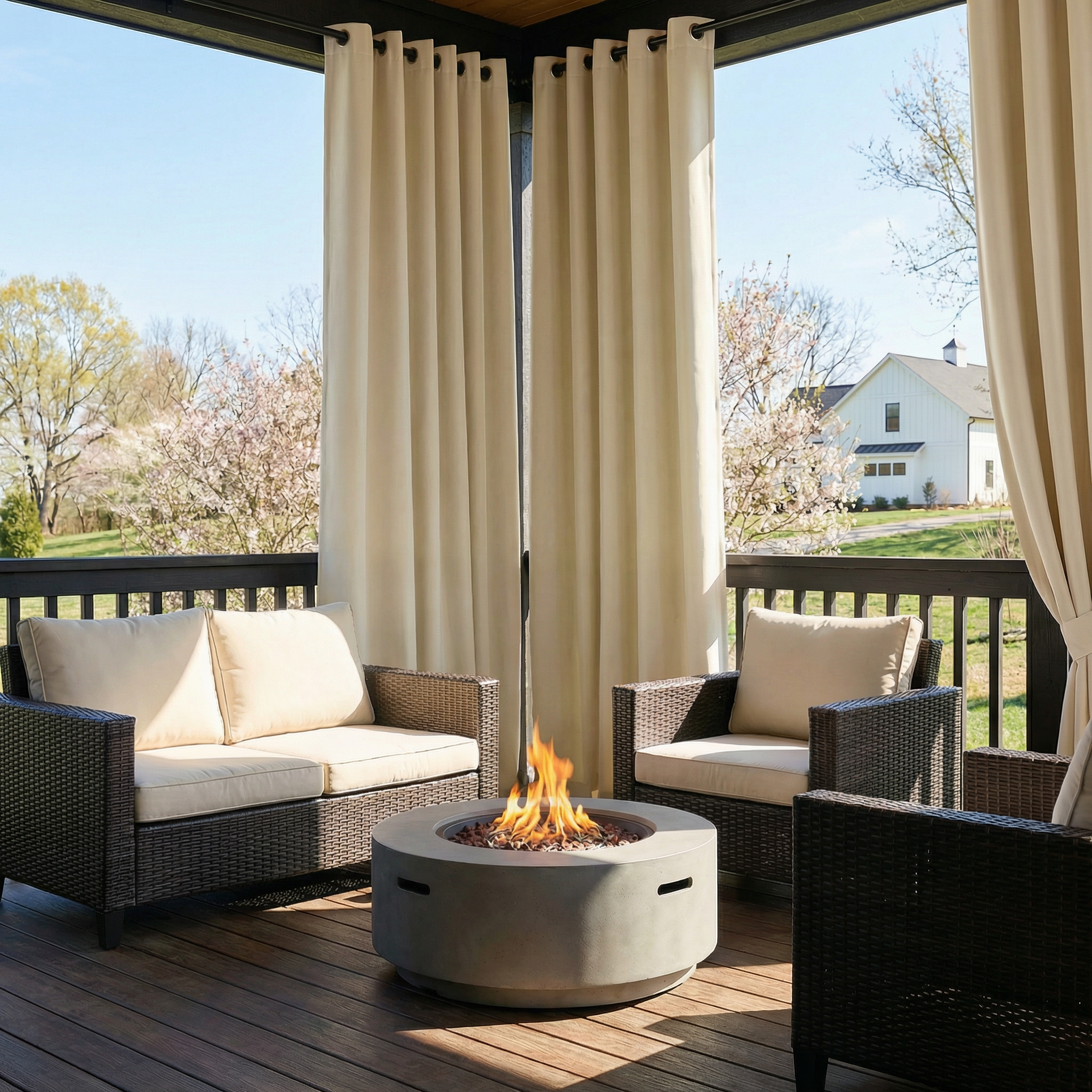
Blog posts

Lightweight Bedroom Curtains vs Heavy Curtains: Which Is Better for Modern Homes
Choosing bedroom curtains used to be a simple style decision. Today, it is part of broader home planning. The weight of your curtains affects how much daylight enters the room, how private the space feels, how easy the curtains are to maintain, and even how comfortable the room feels across different seasons. For modern homes, the choice is not always “lightweight curtains or heavy curtains.” In many cases, the best answer depends on your lighting conditions, lifestyle, climate, room size, and design goals. This guide compares both options clearly so you can choose what works best for your bedroom. Start with Your Home’s Lighting Conditions Before thinking about fabric, color, or curtain style, look at the light in your bedroom. Curtain weight has a direct impact on how daylight moves through the space. Homes with Abundant Natural Light If your bedroom gets plenty of sunlight, lightweight curtains can help keep the room bright without making it feel exposed. Sheer, semi-sheer, linen-blend, and light-filtering curtains soften direct sun while preserving an open atmosphere. Lightweight curtains are especially useful when you want to: Maintain natural brightness during the day Reduce harsh glare without darkening the room Create a softer, more relaxed bedroom mood Keep the window area visually light and uncluttered In bright rooms, heavy curtains can still be useful, but they may feel too strong if used as the only window treatment. A layered setup often works better. Bedrooms with Limited Sunlight For bedrooms that already feel dim, heavy curtains can make the room look smaller or darker than it needs to be. Thick fabrics absorb more light and may create a closed-in feeling, especially in compact rooms. In lower-light bedrooms, lightweight curtains usually help create a better balance. They allow limited daylight to enter while adding softness and privacy. Good choices include: White or ivory sheers Pale linen curtains Light-filtering cotton blends Neutral semi-sheer panels If privacy or insulation is still needed, consider adding a second layer instead of relying only on thick drapes. East-, West-, and South-Facing Windows Window direction also matters. Different exposures create different lighting challenges. Window Direction Light Pattern Recommended Curtain Approach East-facing Strong morning light Lightweight curtains plus optional blackout layer West-facing Intense afternoon sun Semi-sheer or lined curtains for glare and heat control South-facing Long daylight exposure Layered curtains for flexible light management North-facing Softer, indirect light Lightweight curtains to preserve brightness Seasonal changes should also be considered. A curtain setup that works well in winter may feel too heavy in summer, while very light curtains may not provide enough insulation during colder months. Choose Curtains Based on How You Use Your Bedroom The best curtain choice is not only about the material. It is about how the bedroom functions in daily life. A sleep-only room has different needs from a bedroom that also works as a home office, reading corner, or children’s space. Bedrooms Used Only for Sleeping If the bedroom is mainly for sleep, privacy and light blocking become more important. Heavy curtains, lined curtains, or blackout drapes may be the better option, especially for light-sensitive sleepers. They can help with: Blocking streetlights Reducing early morning sun Creating a darker sleep environment Adding a sense of calm and enclosure However, a fully heavy curtain setup may make the room feel dark during the day. Pairing heavy curtains with lightweight sheers gives you more flexibility. Multi-Functional Bedrooms Many modern bedrooms are used for more than sleeping. They may serve as a workspace, dressing area, reading room, or quiet place to unwind. In this case, lightweight curtains often perform better during the day because they: Allow natural light for working or reading Reduce screen glare without making the room dark Keep the atmosphere relaxed Make the room feel more adaptable A layered curtain system is usually the most practical choice for multi-functional bedrooms. Use lightweight curtains during the day and heavier panels when privacy or darkness is needed. Guest Bedrooms Guest bedrooms should feel comfortable for different people with different preferences. Some guests may prefer a bright room in the morning, while others may want more darkness. A balanced setup works best: Lightweight curtains for daytime softness Heavier drapes or blackout lining for sleep privacy Neutral colors that fit various design styles Easy-to-operate hardware This gives guests more control without making the room complicated. Children’s Bedrooms Children’s bedrooms need practical, safe, and easy-care solutions. Curtain weight should be chosen with daily use in mind. For children’s rooms, consider: Washable fabrics Secure curtain rods or tracks Cordless or child-safe operating systems Light control for naps and bedtime Durable materials that can handle frequent use Heavy blackout curtains may help young children sleep, while lightweight curtains can keep the room bright and cheerful during the day. Again, layering is often the most useful approach. How Curtain Weight Influences Interior Style Curtains cover a big part of the wall, so fabric weight has a clear impact on how a bedroom feels. Light curtains usually make the room look brighter and more open. Heavier curtains bring more shape, texture, and a stronger sense of finish. Creating an Open, Airy Appearance Lightweight curtains suit bedrooms that rely on natural light and a clean layout. They are often used in minimalist, Scandinavian, coastal, and modern interiors because they do not make the window area feel heavy. They can help create: A softer look around the window More natural light in the room A relaxed, breathable feeling A cleaner and less crowded layout This works especially well in small bedrooms, apartments, or rooms where heavy fabric would feel too visually dominant. Adding Visual Depth and Warmth Heavy curtains give a bedroom more weight and presence. They add volume, texture, and a more enclosed feeling, which can make the space feel warmer and more finished. They are useful when you want to: Make the bedroom feel cozier Add depth to plain walls Make a large room feel more intimate Support a classic, elegant, or luxury style Velvet, thick cotton, jacquard, suede-like fabrics, and lined drapes can all create this effect. The main point is to keep the fabric in scale with the room, so the curtains do not feel bulky or overpowering. Making Ceilings Look Higher Both lightweight and heavy curtains can make the ceiling look higher when they are installed well. This depends more on curtain placement than on fabric weight. For a taller visual effect: Mount the rod or track close to the ceiling Let the curtains reach the floor Use vertical folds or ripple-style headers Avoid short curtains that cut the wall visually Lightweight floor-length curtains usually create a smooth, easy vertical line. Heavy curtains can do the same, but they need enough fullness and stronger hardware to hang properly. Framing Large Windows Without Overpowering the Room Large windows need the right balance. Lightweight curtains can soften the glass without blocking too much view or making the room feel closed in. Heavy curtains can also frame large windows well, especially in rooms with high ceilings or enough floor space. They add privacy and a more dramatic look, but they need stronger rods or tracks and careful styling. For large modern windows, layering is often the most balanced option: sheer curtains near the glass, with heavier drapes on the outside. Which Curtain Option Requires Less Maintenance? The Hidden Impact on Home Energy Efficiency Curtains play a bigger role in bedroom comfort than many people think. They will not replace insulation, but they can help manage heat around windows, especially in rooms that get strong sun or feel cold at night. Managing Indoor Heat During Summer During summer, curtains can cut down the amount of direct sunlight entering the room. This is especially helpful for west-facing and south-facing bedrooms, where afternoon heat can build up quickly. Heavy or lined curtains block more heat, but they also make the room darker. Lightweight curtains are better if you want to reduce glare while still keeping the bedroom bright. They just do not provide the same level of thermal control. A useful summer setup may include: Light-filtering sheers for daytime brightness Lined curtains for strong afternoon sun Pale colors that reflect more light Wide panels that cover the whole window area Retaining Warmth During Winter In winter, heavier curtains usually perform better. Thick fabric and lining can create a warmer layer near the window, helping reduce drafts and heat loss. They are especially useful for: Older homes Large windows Bedrooms in colder climates Rooms with single-pane or poorly insulated windows Lightweight curtains on their own offer only modest insulation. If keeping the bedroom warm is important, use them with lined drapes or thermal curtains. Reducing Dependence on Air Conditioning and Heating Curtains can support heating and cooling when they are used at the right time. Closing them before the sun gets too strong can help keep heat out. Closing heavier curtains at night can help keep warmth in. For better results: Close curtains before direct sunlight becomes intense Use heavier layers during cold nights Keep lightweight curtains open when winter sun is useful Make sure the curtain width fully covers the window The goal is not to block all airflow or seal the room completely. It is simply to help the bedroom hold a steadier temperature. Finding the Right Balance Between Comfort and Energy Savings For many homes, the best setup uses both light and heavy curtain fabrics. Lightweight curtains keep the room bright during the day. Heavier curtains add insulation when the weather calls for it. This is especially practical in areas with both hot summers and cold winters. You can adjust the layers through the year without replacing the entire window treatment. Common Homeowner Scenarios and the Best Curtain Choice Different homes have different curtain needs. Here is a practical comparison based on common living situations. Home Scenario Best Curtain Choice Why It Works Small urban apartment Lightweight or layered curtains Keeps the room bright and visually open Large modern villa Layered curtains with heavier outer panels Balances large windows, privacy, and style Rental property Lightweight washable curtains Easy to install, remove, and maintain Vacation home Durable layered curtains Handles changing seasons and occasional use Smart home Lightweight curtains or layered automated tracks Easier movement and better control For Small Urban Apartments Small apartments often benefit from lightweight curtains because they do not visually crowd the room. Pale colors and ceiling-to-floor installation can make the bedroom feel taller and brighter. If privacy is a concern, choose semi-sheer curtains rather than very transparent sheers. For Large Modern Villas Large homes with tall windows can handle heavier curtains more easily. In villas, heavy drapes can add proportion, warmth, and architectural presence. A layered system is often ideal: sheers for daytime and heavier drapes for evening privacy. For Rental Properties Rental homes need flexibility. Lightweight curtains are easier to install with standard rods, tension rods, or removable hardware. Good rental curtain choices include: Grommet curtains Rod pocket panels Machine-washable fabrics Neutral colors Lightweight semi-sheer materials These options are practical and easy to move when needed. For Vacation Homes Vacation homes may need curtains that handle irregular use, changing humidity, and different seasons. Durability matters. A good approach is to use easy-care lightweight curtains with a heavier layer for privacy and temperature control. Avoid very delicate fabrics if the home is not maintained frequently. For Smart Homes with Automated Curtains Smart curtain systems work best when curtain weight is matched to the motor and track. Lightweight curtains are easier to automate and place less stress on the system. For smart homes, consider: Lightweight sheers for daily automation Separate tracks for blackout curtains Smooth ripple fold headers Fabric weight recommended by the motor manufacturer This helps the system operate more quietly and reliably. Should You Choose One Type or Combine Both? For a modern bedroom, using light and heavy curtains together is often more practical than choosing one style alone. The lighter layer keeps the room bright and comfortable during the day, while the heavier layer gives you privacy, darkness, and a more settled feeling when needed. Benefits of Layering Curtains Layered curtains make the bedroom more flexible. You can keep the sheer layer closed in the daytime to soften sunlight, then draw the heavier curtains in the evening for a quieter and more private space. This arrangement offers several advantages: Better privacy at different times of day More control over sunlight and glare Extra comfort near windows in hot or cold weather A fuller, more finished window design Easier adjustment as seasons change It is a useful choice for bedrooms that also function as reading areas, work corners, or relaxing spaces during the day. Mixing Sheer and Heavy Panels One of the easiest ways to layer curtains is to place sheer curtains near the window and heavier panels in front. This keeps the bedroom light in the daytime and gives the window more depth when the outer curtains are closed. The sheer layer helps by: Softening strong daylight Reducing glare on screens or furniture Giving some privacy while keeping light Making the room feel more open The heavier layer helps by: Blocking outside views at night Making the room darker for sleep Adding warmth during cooler months Giving the window a stronger frame For a clean look, choose tones that sit well together. For example, white sheers with warm beige panels, ivory sheers with taupe drapes, or pale gray sheers with deep gray curtains. Flexible Light Control Throughout the Day A layered curtain system works because bedroom needs change across the day. The room may need brightness in the morning, glare control in the afternoon, and privacy at night. Time of Day How to Use the Curtains Result Morning Open the heavy panels and keep sheers closed Bright light without harsh glare Afternoon Use sheers or semi-sheers Softer sunlight and less glare Evening Close the heavier curtains More privacy Night Close the lined or blackout layer Darker, more restful sleep setting This setup is especially helpful for bedrooms facing nearby buildings, busy streets, or strong afternoon sun. Design Tips for a Modern Bedroom To keep layered curtains from looking too heavy, keep the styling simple. Modern bedrooms usually look better with clean lines, quiet colors, and smooth fabric movement. Helpful tips include: Choose plain colors or subtle textures Avoid busy patterns and ornate trims Install rods or tracks close to the ceiling Let the curtains fall to the floor Use simple headings such as ripple fold, pleat, or grommet Allow enough fabric width for soft, natural folds When the layers are chosen and installed well, the result feels calm, polished, and easy to use every day. Buying Checklist Before Making Your Decision Before choosing bedroom curtains, it is worth checking a few practical points first. Many curtain problems come from small details: panels that hang too short, fabric that blocks more light than expected, or rods that are not strong enough for the curtain weight. Bedroom Curtain Buying Checklist Use this checklist before placing an order or visiting a store. Measure the Window Carefully Start with accurate width and height measurements. Do not measure only the glass. Include the full area you want the curtains to cover. For a fuller appearance, curtain panels should usually be wider than the window itself. This helps the fabric form natural folds instead of looking flat or stretched. Think About Your Local Climate Climate can affect which curtain weight works best. In hot areas, curtains may need to reduce glare and limit heat from direct sunlight. In colder areas, heavier or lined curtains can help the bedroom feel warmer, especially near large or older windows. Check Your Privacy Needs Not every bedroom needs the
Learn more
2026 Guide to Choosing the Right Lightweight Bedroom Curtains for Every Home
By 2026, lightweight bedroom curtains have become more than a simple décor choice. Many homeowners now use them to control natural light, maintain privacy, and create a bedroom that feels fresh, calm, and easy to live in. Their appeal comes from the way they soften a room without making it feel heavy. A good lightweight curtain can let daylight filter through gently, reduce harsh glare, and still give the window a finished look. For modern homes that favor bright spaces and flexible layouts, this makes them a practical everyday choice. This guide covers the main trends in lightweight bedroom curtains, from fabric selection and style direction to home-matching ideas and important buying details. What’s New in Lightweight Bedroom Curtains for 2026? Bedroom curtain trends in 2026 are shaped by three major priorities: natural light, sustainable materials, and smart home compatibility. Instead of choosing curtains only by color or pattern, homeowners are paying closer attention to how curtains affect daily living. Natural Light–Driven Interior Design Modern bedroom design continues to move away from dark, closed-off spaces. Many homeowners now prefer rooms that feel open, calm, and naturally bright. Lightweight bedroom curtains support this trend by: Allowing daylight to enter the room Softening harsh sunlight Reducing glare without creating a fully dark environment Making bedrooms feel larger and more relaxed Rather than relying on full blackout curtains during the day, many interiors now use light-filtering curtains to create a gentle glow. This is especially useful in bedrooms that also function as reading areas, work-from-home spaces, or relaxation zones. Eco-Friendly Fabric Innovation Sustainability is also influencing curtain choices. In 2026, more buyers are looking for fabrics that feel natural, last longer, and have a lower environmental impact. Common eco-conscious curtain options include: Organic cotton, valued for softness and everyday comfort Linen blends, known for breathability and natural texture Recycled polyester, used for durability and easier maintenance Low-impact dyed textiles, designed to reduce water and chemical use The goal is not only to choose a beautiful curtain but also to select materials that align with long-term, responsible living. Smart Home Curtain Integration Smart home systems are becoming more common in bedrooms, and curtains are part of that shift. Motorized curtain tracks and automated systems now work well with many lightweight fabrics. Lightweight curtains are especially suitable for automation because they are: Easier for motors to move Less demanding on curtain tracks Compatible with app-based scheduling Often suitable for voice-controlled home systems For people who want curtains to open gradually in the morning or close automatically in the evening, lightweight fabrics offer a practical and stylish solution. How to Match Lightweight Curtains to Different Home Types Lightweight bedroom curtains should be chosen with the whole home in mind, not just the window size. Different living spaces have different priorities. Some need more privacy, some need brighter daylight, and others need fabric that can handle daily use. Once the room’s role is clear, the curtain choice becomes much simpler. Modern Apartments and Condos Apartments and condos often work best with curtains that feel clean, light, and easy on the eye. Lightweight fabrics help soften the view outside while keeping the room open and bright. Useful options include: White sheer panels for a fresh, simple look Linen-blend curtains for gentle texture Light-filtering polyester for low-maintenance use Ceiling-mounted panels to make the walls look taller For windows facing nearby apartments or office buildings, semi-sheer curtains are usually a better choice than very transparent sheers. They still allow daylight in but give the room a little more privacy. Family Homes with Flexible Bedroom Needs In a family home, bedrooms often serve more than one purpose. A room may be used for sleep, homework, nursing, guests, or quiet downtime. Curtains in these spaces should be easy to care for and comfortable for daily living. Good features to look for include: Washable fabric Reliable durability A soft, calming look Enough coverage for both day and night Cotton blends, polyester blends, and linen-cotton fabrics are practical choices. They bring a relaxed bedroom feel without demanding too much upkeep. Small Bedrooms That Need a Brighter Look Small bedrooms can feel cramped when the curtains are too dark or heavy. Lightweight curtains help the room feel more open by letting in softened daylight and reducing visual weight around the window. To create a more spacious effect: Use pale neutral shades Install curtains higher than the window Let panels reach the floor Avoid oversized pleats or bulky tops Choose fabrics that hang softly Shades such as white, ivory, beige, pale gray, and soft pastels can make a small bedroom feel cleaner and more open. Luxury Bedrooms with Layered Window Treatments Luxury bedrooms often use lightweight curtains as one part of a layered window design. The lighter layer keeps the room soft and bright during the day, while heavier panels or blackout curtains create privacy and depth later on. A layered arrangement may include: Sheers for filtered daylight Semi-sheers for daytime privacy Blackout curtains for sleep support Decorative outer panels for a richer look This gives the room a more refined, hotel-style finish while keeping the lighting easy to adjust. Rental Homes That Need Practical Options Rental properties usually call for curtains that are simple to install, easy to remove, and versatile enough for changing spaces. Lightweight curtains are helpful because they work with standard hardware and are easier to handle. Good rental-friendly options include: Rod pocket curtains Grommet panels Tension rod-compatible curtains Washable polyester or cotton blends Neutral colors that match different furniture For renters, the best curtain is often the one that can move with them. A lightweight panel in a simple shade can work across bedrooms, guest rooms, and even small living spaces. Choosing the Right Fabric for Your Lifestyle Fabric choice is where lightweight bedroom curtains really begin. It affects the way the panels fall, how bright the room feels, how much privacy you get, and how often the curtains need care. Before choosing a color or pattern, it is worth thinking about what the fabric needs to do in daily life. Linen for a Relaxed Natural Look Linen has an easy, breathable quality that works beautifully in bedrooms. It does not look too formal, but it still adds texture and character to the window area. When daylight passes through linen, the room often feels softer and calmer. Linen is a good match for: Organic modern bedrooms Coastal-style rooms Scandinavian interiors Homes that favor natural materials The trade-off is that linen creases more than many other fabrics. Some people enjoy this slightly undone look. Others may prefer linen blends, which keep much of the texture but are usually easier to maintain. Cotton for Soft Everyday Comfort Cotton is a familiar and comfortable curtain fabric. It suits bedrooms that are meant to feel warm, relaxed, and easy to live in. Compared with very sheer fabrics, cotton often gives a little more coverage while still feeling light. Cotton works well in: Children’s bedrooms Guest rooms Traditional bedroom styles Casual family homes Pure cotton should be washed carefully because it can shrink or lose its shape. Cotton blends are often more forgiving and may stay neater after repeated use. Voile for a Light and Airy Effect Voile is thin, delicate, and very good at creating a bright bedroom. It lets in plenty of daylight and gives the window a soft, breezy look. In a small room, this can help the space feel less closed in. Voile is best for: Bedrooms with good natural light Smaller spaces Layered curtain arrangements Rooms where full privacy is not essential Because voile is very transparent, it is usually not enough by itself for a bedroom at night. It is often better used with blinds, blackout panels, or another curtain layer. Polyester Blends for Practical Daily Use Polyester blends are popular because they make life easier. They are durable, usually affordable, and often need less ironing than natural fabrics. Many modern polyester curtains also look softer and more refined than older synthetic options. They suit: Busy households Rental bedrooms Low-maintenance interiors Rooms that receive strong sunlight A good polyester blend can be machine washable, wrinkle-resistant, and long-lasting, which makes it a sensible choice for everyday bedroom use. Sheer Fabrics for Soft Light Control Sheer curtains are often used when the goal is to keep the bedroom bright while softening glare. They create a gentle layer at the window without making the room feel heavy. Sheers are useful when: You want daylight during the day You plan to pair them with blackout curtains or blinds The bedroom faces a garden, courtyard, or quiet view You prefer a light, elegant window treatment For bedrooms facing streets or nearby homes, semi-sheer curtains are usually more practical. They still allow light through, but they provide more daytime privacy than fully sheer fabrics. Key Features That Define High-Quality Lightweight Curtains Lightweight curtains are not just a decorative detail in the bedroom. Once they are hung, they affect how bright the room feels in the morning, how private the space is during the day, and how easy the room is to keep fresh. When choosing them, performance matters just as much as color or style. Light Filtering and Softer Brightness A good lightweight curtain should calm strong sunlight rather than block it completely. The fabric should spread daylight gently across the room, so the space stays bright but does not feel glaring. It is helpful when curtains can: Soften direct sunlight Reduce glare on screens and glossy surfaces Create a more even indoor glow Keep the room from looking too pale or overexposed This is especially important for bedrooms that face east, because morning sun can be quite intense. Daytime Privacy with Natural Light Privacy is one of the main reasons to pay attention to fabric density. Thin sheer curtains may look airy, but they are not always enough for bedrooms that face the street, a neighboring window, or a shared balcony. For more privacy during the day, consider: Semi-sheer curtain fabrics Linen blends with a visible texture Pale curtains with a tighter weave A layered setup with blinds or blackout panels At night, the situation changes. When indoor lights are on, sheer fabrics usually become easier to see through from outside. For bedroom use, pairing lightweight curtains with a second layer is often the more reliable choice. Breathability and Room Comfort One reason people like lightweight curtains is that they do not make the room feel closed in. Fabrics such as linen and cotton allow more air movement, which can make a bedroom feel cooler and fresher. Breathable curtains are especially suitable for: Summer bedrooms Coastal or humid homes Naturally ventilated rooms Spaces where thick curtains feel too heavy For rooms that often have open windows, breathable fabrics can help keep the atmosphere light and relaxed. Wrinkle Resistance and Simple Maintenance Curtains need to stay presentable after daily use, not just look good when first unpacked. Some fabrics wrinkle quickly or need frequent steaming, while others keep their shape with much less effort. Useful easy-care qualities include: Machine-washable fabric Quick-drying material Wrinkle-resistant blends Easy ironing or steaming Good shape retention after washing Polyester blends are usually more convenient for busy households. Linen has a natural texture, but it often requires more care because creases show more easily. Fade Resistance for Sunny Windows Strong sunlight can gradually affect curtain fabric. In bright bedrooms, some materials may fade, yellow, or become weaker after long exposure. To help curtains last longer: Choose fade-resistant fabrics Use lighter colors in rooms with strong sunlight Add UV-filtering window film if needed Follow the care label when washing Rotate curtain panels if one side gets more sun Light-colored curtains usually hide fading better than dark colors, so they are often a practical choice for sunny bedrooms. Washability and Everyday Freshness Bedroom curtains can collect dust, pollen, and odors over time. Washable curtains are easier to keep clean, especially in homes with children, pets, or people with allergies. Before choosing, check: Whether the curtains are machine washable Recommended washing temperature Drying method Possible shrinkage Whether steaming or ironing is required A curtain that fits your cleaning habits will be easier to live with and more useful in the long run. Color Trends for Lightweight Bedroom Curtains in 2026 Color has a bigger impact on lightweight bedroom curtains than many people expect. Because thin fabrics let daylight pass through, the same curtain can look different in the morning, afternoon, and evening. A shade that feels soft in store photos may appear warmer, cooler, brighter, or more transparent once it is hanging at home. Neutral Shades for a Clean Bedroom Look Neutral curtains are a safe and flexible choice, especially for minimalist or modern bedrooms. They do not compete with furniture, bedding, or wall colors, so the whole room feels quieter and more pulled together. Common neutral choices include: Warm white Ivory Sand Stone gray Oatmeal Soft taupe These tones work well when the goal is a bedroom that feels calm, open, and easy to update over time. They are also useful if you like changing bedding or decor seasonally. Warm Earth Tones for a Cozy Feel Earth-inspired colors are a good option when you want the bedroom to feel warmer and more grounded. They pair naturally with wood furniture, woven rugs, rattan details, and linen bedding. Popular earth tones include: Clay Terracotta Warm beige Mushroom Desert sand Soft brown These shades add depth without making lightweight curtains feel heavy. They are especially effective in rooms with natural textures or warm-toned flooring. Soft Pastels for Gentle Color Pastel curtains can add color without making the bedroom feel busy. Instead of creating a strong statement, they bring a softer mood to the space. Good pastel options include: Dusty pink Powder blue Pale lavender Soft peach Muted mint Pastels usually work best with simple bedding, white or pale walls, and light wood furniture. The result feels fresh, quiet, and suitable for a restful bedroom. Greens and Blues Inspired by Nature Green and blue curtains are often chosen for bedrooms because they feel calm and natural. In 2026 bedroom design, these shades continue to be popular because they support a relaxed, sleep-friendly atmosphere. Popular choices include: Sage green Misty blue Seafoam Eucalyptus Soft teal Pale sky blue These colors look especially good on linen, cotton, voile, or textured sheer fabrics. They also pair well with plants, natural bedding, and soft neutral walls. Matching Curtains with the Rest of the Room Curtains do not have to match the bedroom exactly. In many cases, they look more natural when they simply relate to the colors already in the room. A practical way to coordinate curtains is to connect them with: The undertone of the wall color Bedding or duvet shades Area rug colors Wood flooring or furniture tones Accent pillows, throws, or artwork For a soft and calm look, choose curtains one or two shades lighter than the wall color. For more visual interest, choose a gentle complementary tone that still feels connected to the room. Curtain Size and Hanging Style for Modern Bedrooms Size and hanging style can completely change the way lightweight bedroom curtains look. Even affordable curtains can appear more refined when measured and installed correctly. Floor-Length Curtains for Elegant Flow Floor-length curtains are one of the most popular choices for modern bedrooms. They create a graceful vertical line and make the window feel larger. Common floor-length styles include: Curtains that just touch the floor Curtains that hover slightly above the floor Curtains with a small fabric break at the bottom For lightweight curtains, a slight floor touch often looks soft and natural without appearing messy. Sill-Length Curtains for Compact Spaces Sill-length curtains are practical for small rooms, children’s bedrooms, and spaces where furniture sits below the window. They are useful when: A desk is placed under the window A radiator or heater is below the sill Floor-length curtains are not practical The room needs a simple, casual look Sill-length curtains may feel less formal, but they can work well in compact bedrooms. Ceiling-to-Floor Designs for Visual Height Enhancement Mounting curtains close to the ceiling is a simple way to make a bedroom appear taller. This works especially well with lightweight fabrics because they create a clean, flowing line. For best results: Install the rod or track higher than the window frame Extend the rod wider than the window Choose full-length panels Avoid overly heavy fabric pooling This technique is especially effective in apartments and small bedrooms. Header Styles That Influence Modern Aesthetics The curtain header affects both style and function. It determines how the curtain hangs, moves, and fits the overall design. Common header styles include: Header Style Best For Visual Effect Rod pocket Casual bedrooms and rentals Soft and simple Grommet Modern interiors Clean, even folds Pinch pleat Elegant bedrooms Structured and tailored Ripple fold Contemporary spaces Smooth, hotel-like waves Tab top Relaxed interiors Informal and decorative For a modern bedroom, ripple fold and grommet styles are especially popular because they look neat and are easy to operate. Layering Strategies for Flexible Light and Privacy Control Layered curtains are becoming a very practical choice for bedrooms in 2026. Instead of relying on one fabric to handle light, privacy, and sleep needs all at once, many people are using two or more layers. This makes the window area more flexible and often gives the room a softer, more finished look. Pairing Sheer and Semi-Sheer Curtains A sheer and semi-sheer combination is a simple way to add depth without making the bedroom feel heavy. The sheer layer keeps daylight soft and open, while the semi-sheer layer gives a little more coverage when privacy is needed. This setup works especially well for: Bedrooms with large windows Rooms facing nearby buildings Minimalist or soft modern interiors Spaces that need adjustable daylight control Two lightweight layers can often feel more comfortable than one thick curtain, especially in rooms where airflow and natural light are important. Adding a Blackout Layer for Better Sleep Lightweight curtains are useful during the day, but they usually cannot create enough darkness at night or early morning. Adding a blackout curtain or liner gives the room better sleep support while still allowing you to enjoy lighter fabrics during the day. A practical layered setup may include: Sheer curtains for daytime light Blackout curtains or liners for night use A double rod or double curtain track Separate movement for each curtain layer This arrangement is helpful for shift workers, light-sensitive sleepers, children’s rooms, and bedrooms exposed to streetlights or bright outdoor lighting. Curtains That Shift from Day to Night A good bedroom curtain system should change with the rhythm of the day. In the morning, the room may need soft daylight. In the afternoon, glare control may matter more. At night, privacy and darkness become the priority. Here is a simple example: Time of Day Curtain Setup Main Benefit Morning Sheers open or partly closed Gentle daylight Afternoon Lightweight curtains closed Reduced glare Evening Sheer plus privacy layer Better coverage Night Blackout layer closed Darker sleep environment This approach gives more control without needing to replace curtains for different needs. Creating a Hotel-Style Bedroom Many hotel rooms use layered curtains because they need to feel comfortable at different times of day. The same idea works well at home, especially in bedrooms where you want both softness and function. To create a hotel-inspired look: Hang curtains from ceiling to floor Use a sheer layer closest to the window Add a blackout or heavier outer layer Keep the color palette calm and coordinated Choose a track system for smoother opening and closing The result is a bedroom that feels more polished, comfortable, and practical for everyday use. By 2026, lightweight bedroom curtains are being chosen with more care than ever. People still want them to look good, of course, but the bigger question is how they change the room in daily life. The best options let in a comfortable amount of daylight, soften glare, and make the bedroom feel open without leaving it exposed. Fabric choice plays a big role. Linen brings a relaxed, natural texture. Cotton feels soft and familiar for everyday use. Voile works well when you want a bright, airy look, while polyester blends are easier to wash and better suited to busy homes. For homeowners comparing different curtain styles and fabric options, dwcnhome.com can be a useful place to explore practical bedroom curtain ideas. In many bedrooms, one layer is no longer enough. A sheer curtain may be perfect during the day, but it often needs support from a privacy or blackout layer at night. This layered setup gives you more control without making the window feel heavy. It keeps the room light when the sun is up, more private in the evening, and quieter and more restful when it is time to sleep.
Learn more
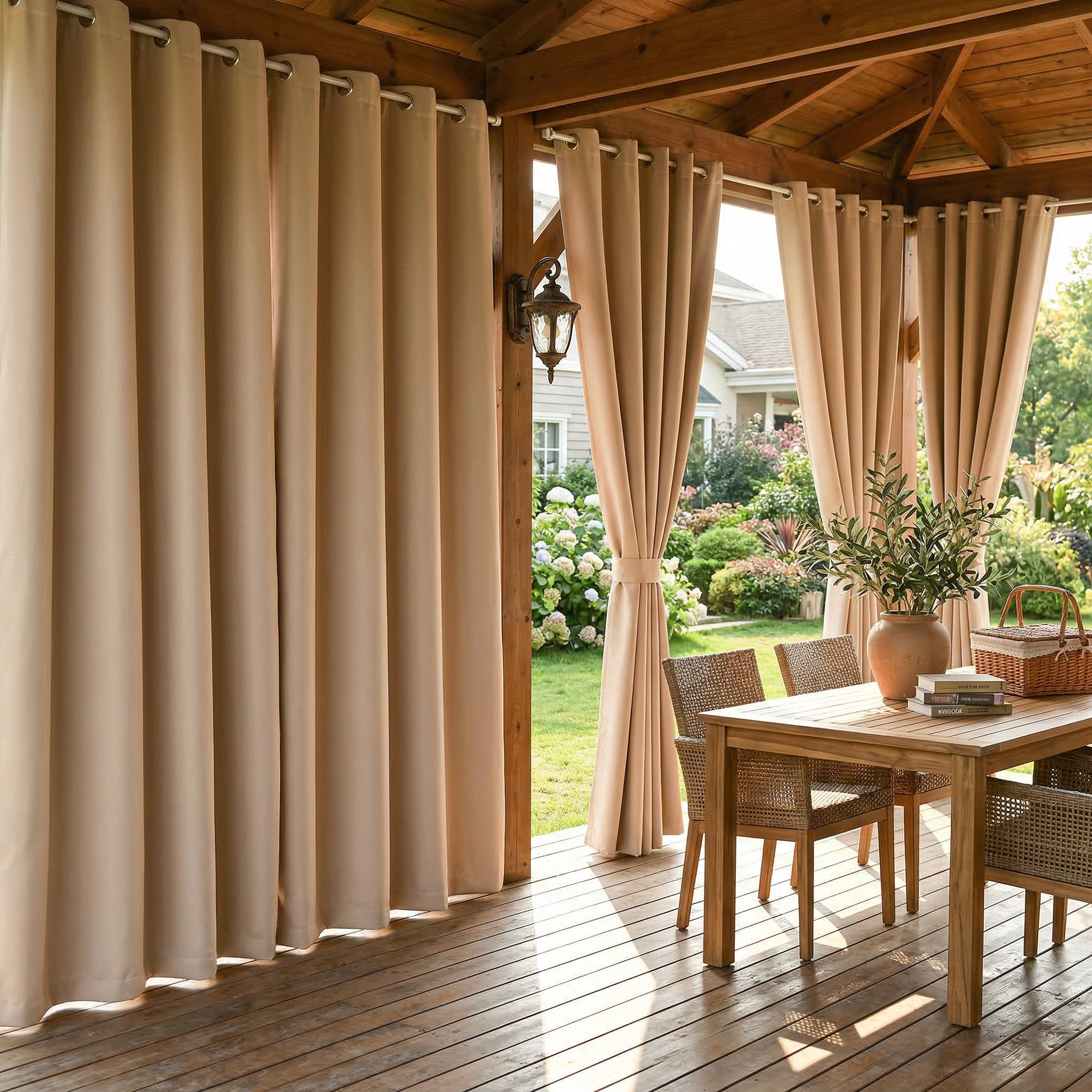
Why Choose Custom Curtains for Patio Instead of Outdoor Blinds? The Complete Buyer’s Guide
Outdoor spaces are no longer just “extra areas” around a home or commercial building. Patios, balconies, pergolas, restaurant terraces, hotel courtyards, and outdoor dining areas are now expected to be comfortable, private, and usable in different weather conditions. When property owners start looking for ways to improve these spaces, two common options often come up: custom patio curtains and outdoor blinds. Both can provide shade, privacy, and weather protection, but they work in very different ways. This guide explains what custom patio curtains are, how they compare with outdoor blinds, and why more homeowners, restaurant owners, hotel operators, and commercial buyers are choosing made-to-measure patio curtain solutions. Patio curtains and outdoor blinds are both used for outdoor areas. They help block sunlight, rain, wind, dust, and outside views. But they are different products. The difference is not only the appearance. It also includes: Installation method Fabric choice Ventilation Cleaning Maintenance Replacement cost Long-term use For patios, balconies, pergolas, restaurants, hotels, and outdoor seating areas, the right product depends on the structure and use condition. Some projects need a fixed blind system. Some projects need a more flexible curtain solution. What Are Custom Patio Curtains? Custom patio curtains are outdoor curtains made to fit a specific space. They are produced according to the required width, height, material, color, and fixing method. They are mainly used for open or semi-open outdoor areas. These curtains help improve comfort, privacy, and weather protection. Common Application Areas Custom patio curtains can be used in many outdoor spaces. Common areas include: Patios Pergolas Balconies Decks Gazebos Gardens Outdoor dining areas Restaurant terraces Café seating areas Hotel outdoor spaces Poolside areas They can be used for home projects and commercial spaces. They can also be made for temporary or long-term outdoor use. Outdoor Protection Custom patio curtains are designed for outdoor conditions. They can help reduce the impact of: Sunlight Rain Wind Dust Outside views Temperature changes The actual protection level depends on the selected material and installation method. For stronger wind or rain protection, thicker fabric and reinforced edges are usually recommended. Common Materials Different materials can be used for different needs. PVC fabric: suitable for stronger weather protection Clear PVC: keeps visibility while blocking wind and rain Mesh fabric: allows airflow and provides shade Acrylic fabric: gives a softer outdoor appearance and UV resistance Polyester fabric: lightweight and suitable for general outdoor use Waterproof canvas: suitable for privacy, shade, and rain protection Material selection should match the use environment. For example, clear PVC is often used when visibility is important. Mesh fabric is better when airflow is needed. Waterproof canvas is suitable when privacy and rain protection are the main needs. Custom Accessories Custom patio curtains can also be made with different accessories. Common options include: Grommets Zippers Velcro Clear window sections Weighted bottoms Reinforced edges Tiebacks Hooks Rails Side fasteners These accessories help improve installation, opening, sealing, and daily use. They also make the curtain easier to fit different structures. What Are Outdoor Blinds? Outdoor blinds are exterior shade or enclosure systems. They are usually installed with rollers, side tracks, zip tracks, fixed frames, or motors. Common types include: Roller blinds Zip track blinds Bamboo blinds Outdoor shades Motorized blinds Outdoor blinds are often used on patios, balconies, pergolas, and outdoor dining areas. They can provide shade and privacy. Some types can also reduce wind and rain. Outdoor blinds normally need a suitable structure for installation. The opening should be straight and stable. The size must be measured carefully. Tracks, rollers, or motors also need proper installation. If the structure is uneven, installation can become more difficult. Why More Projects Choose Custom Patio Curtains Custom patio curtains are used more often because they are flexible. They can fit many different openings. They can be installed on beams, walls, rails, hooks, frames, or existing structures. They do not always need a complex track system. This makes them suitable for patios, pergolas, balconies, restaurants, cafés, hotels, and temporary outdoor areas. Custom patio curtains are also easier to remove. Cleaning is simple. Replacement is more convenient. If one panel is damaged, that panel can usually be replaced separately. There are also more choices in size, color, fabric, thickness, and accessories. For restaurants, cafés, hotels, and event spaces, patio curtains are a practical way to improve outdoor comfort. They can block wind, rain, strong sunlight, and dust. They can also divide outdoor areas without building permanent walls. Who Is This Guide For? This guide is written for people and companies comparing patio curtains with outdoor blinds. It is useful for: Homeowners upgrading patios, balconies, decks, or gardens Restaurant and café operators improving outdoor seating areas Hotel and resort operators planning terrace or poolside spaces Contractors working on outdoor enclosure projects Designers choosing materials for outdoor areas Outdoor product suppliers looking for custom curtain solutions Industrial companies needing flexible partitions or protective curtains Importers, wholesalers, and distributors sourcing outdoor curtain products This guide focuses on practical points: installation, material, weather protection, privacy, airflow, maintenance, cost, and customization. What Are Custom Curtains for Patio? Custom patio curtains are outdoor curtains made to fit a specific space. The size can be customized. The shape can be customized. The fabric and fixing method can also be customized. They are used to improve outdoor areas in a simple way. Common functions include: Blocking rain Reducing sunlight Cutting down wind Improving privacy Dividing spaces Reducing dust Making outdoor areas more comfortable These curtains are made for outdoor use. They are different from indoor curtains. Outdoor patio curtains need stronger fabric, stronger edges, and suitable accessories. They must handle sun, rain, wind, dust, and daily use. Main Features of Custom Patio Curtains Custom curtains for patios are usually made according to the real project size. They can be used for small home patios or large commercial outdoor areas. Main features include: Made to the required size Suitable for different openings Designed for outdoor conditions Made from weather-resistant fabrics Easy to install with different fixing systems Suitable for home, commercial, and industrial use Common fixing options include: Hooks Rails Ropes Grommets Tracks Velcro Zippers Side fasteners The fixing method can be selected based on the structure. For example, a pergola may use rails or grommets. A restaurant terrace may use clear PVC panels with zippers. An industrial workspace may use heavy-duty PVC curtains with reinforced edges. Common Application Areas Custom patio curtains can be used in many outdoor and semi-outdoor spaces. Common residential applications include: Patios Pergolas Gazebos Balconies Decks Gardens Backyards Common commercial applications include: Restaurants Cafés Hotels Resorts Outdoor dining areas Event spaces Poolside areas Common industrial applications include: Warehouses Workshops Loading areas Factory partitions Semi-open workspaces They are useful when a space needs protection but does not need a permanent wall. Custom Options Since the curtains are made to order, many details can be adjusted. Common custom options include: Size Fabric type Color Thickness Transparency Edge reinforcement Clear window design Logo printing Opening style Installation method Clear PVC can be used when visibility is needed. Mesh fabric can be used when airflow is important. Waterproof fabric can be used when rain protection and privacy are required. The final design depends on the space, climate, and daily use. Common Materials for Custom Patio Curtains The fabric should be selected according to the use environment. Different projects need different materials. Main factors include: Rain protection Wind protection Sunshade Privacy Airflow Cleaning Budget Appearance Below are common materials used for custom patio curtains. PVC Fabric PVC fabric is a common choice for outdoor patio curtains. It is strong and waterproof. It is also easy to clean. PVC fabric is suitable for areas that need better protection from rain, wind, dust, and cold air. Clear PVC is often used when the space needs protection but still needs visibility. It can block wind and rain while keeping the outside view. Common applications include: Restaurant terraces Outdoor dining areas Pergolas Commercial patios Industrial partitions Loading bays Semi-open work areas PVC curtains can also be made with reinforced edges, zippers, grommets, Velcro, or clear window designs. Mesh Fabric Mesh fabric is used when airflow is important. It allows air to pass through. It can also reduce sunlight, dust, insects, and outside visibility. Mesh fabric does not fully close the space like PVC. It is better for shade and ventilation. Common applications include: Balconies Garden seating areas Poolside areas Pergolas Outdoor lounges Patio shade areas Mesh curtains are suitable for warm climates or spaces that need fresh air. Acrylic Fabric Acrylic fabric has a softer fabric look. It is often used for decorative outdoor curtains. It has good color stability. It also offers UV resistance. Acrylic fabric is suitable for spaces that need both appearance and outdoor performance. Common applications include: Home patios Hotel terraces Resort areas Garden lounges Poolside cabanas Outdoor leisure spaces It is a good choice when the curtain needs to match the overall design of the space. Polyester Fabric Polyester fabric is lightweight and cost-effective. It is available in many colors. With coating or special treatment, polyester can offer water resistance, UV resistance, and better durability. It is often used for residential and light commercial outdoor curtains. Common applications include: Patios Balconies Decks Gardens Pergolas Backyard seating areas Polyester is suitable for projects that need simple outdoor protection and more color options. Waterproof Canvas Waterproof canvas is thicker and stronger than many light fabrics. It provides good privacy, shade, and rain protection. It has a heavier hand feel. It is suitable for areas that need a more solid curtain panel. Common applications include: Residential patios Commercial terraces Outdoor storage areas Pergolas Workshops Semi-open workspaces Waterproof canvas is a practical choice when privacy and weather protection are both important. Custom Patio Curtains vs Outdoor Blinds Both options can improve outdoor spaces, but they are not the same in daily use. The better choice depends on what the space needs most: flexibility, appearance, weather protection, airflow, cost, or easy maintenance. Here is a practical comparison. Feature Custom Patio Curtains Outdoor Blinds Installation Flexible and relatively simple Often needs tracks, rollers, or frames Weather protection Strong, depending on material Good, but depends on system type Privacy Easy to adjust by opening or closing panels Adjustable, but usually less decorative Airflow Better airflow when partially opened Can feel more enclosed Maintenance Easy to remove, clean, or replace More parts to clean and maintain Design options Wide range of fabrics, colors, sizes, and finishes More limited by system design Replacement Individual panels can often be replaced System parts may be more expensive Best use Flexible residential and commercial spaces Fixed structures needing a neat blind system The main difference is simple: custom patio curtains are usually more flexible, while outdoor blinds are more system-based. 1. Installation Flexibility Installation is an important difference between custom patio curtains and outdoor blinds. Patio curtains are usually easier to fit to different spaces. Outdoor blinds need a more fixed structure. This affects installation time, labor cost, and later adjustment. Custom Patio Curtains Custom patio curtains can be installed in many ways. They can be fixed on: Pergolas Beams Walls Ceilings Frames Rails Temporary structures They can fit regular openings. They can also fit some irregular openings. This makes them useful for many outdoor areas. Main advantages include: Simple installation Flexible fixing methods Suitable for different patio shapes Easy to remove Easy to replace Suitable for custom sizes Suitable for seasonal use Suitable for temporary outdoor areas Common fixing methods include grommets, hooks, ropes, rails, Velcro, zippers, and side fasteners. The installation method can be selected according to the actual structure. For restaurants, cafés, hotels, and event spaces, this is practical. Outdoor layouts may change by season. Seating areas may also need adjustment. Curtains can be removed, moved, or replaced more easily than many blind systems. Outdoor Blinds Outdoor blinds usually need a fixed installation system. They often require: Side tracks Roller tubes Brackets Guide rails Motor systems Strong fixing points Accurate alignment The wall, beam, or frame must be suitable for installation. The opening should be straight. The size must be measured carefully. If the left and right sides are not aligned, the blind may not work smoothly. Motorized systems need extra installation work. They may also need power supply and control wiring. Outdoor blinds work well on permanent and regular structures. But for uneven openings, large spaces, or temporary areas, installation can be more difficult. Labor cost and adjustment time may also be higher. 2. Weather Protection Weather protection is a key reason to use patio curtains or outdoor blinds. Outdoor areas often face rain, wind, sunlight, dust, leaves, and cold air. The material and installation method decide the final protection effect. Rain Protection Custom patio curtains can offer good rain protection. Common waterproof materials include: PVC fabric Clear PVC Waterproof canvas Coated polyester Clear PVC is often used for restaurants, patios, and outdoor dining areas. It blocks rain. It also keeps the view open. This is useful for spaces that need protection without a closed feeling. Outdoor blinds can also reduce rain. But the effect depends on the blind fabric, side sealing, bottom sealing, and installation quality. If there are gaps at the sides or bottom, rain may still enter the space. Wind Protection Heavy-duty patio curtains can help reduce wind. They make outdoor areas more comfortable in daily use. For better wind resistance, the curtain can be made with: Reinforced edges Strong grommets Side fasteners Tie-downs Weighted bottoms Zippers Velcro connections The curtain should be fixed properly. Loose installation may cause movement in strong wind. Zip track blinds also provide wind control. But the track system must be installed correctly. Tracks also need regular cleaning and checking to keep the system working smoothly. 6. Cost Comparison Cost is not only about the purchase price. Buyers should also consider installation, maintenance, replacement, and long-term value. Cost Factor Custom Patio Curtains Outdoor Blinds Initial investment Usually flexible by material and size Often higher for track or motorized systems Installation cost Usually lower and simpler May require professional installation Maintenance cost Lower, fewer moving parts Higher, especially with tracks or motors Replacement cost Individual panels can often be replaced Parts or full systems may be costly Long-term value Strong for flexible or changing spaces Good for fixed, permanent installations Frequently Asked Questions Are patio curtains waterproof? Yes, patio curtains can be waterproof if they are made from waterproof materials such as PVC, waterproof canvas, or coated polyester. However, waterproof performance also depends on installation. Gaps, seams, and fixing points can affect how well the curtain blocks rain. Can patio curtains withstand strong winds? Patio curtains can withstand wind when they are made from suitable materials and installed correctly. For windy areas, it is better to choose reinforced edges, strong fasteners, weighted bottoms, side fixing, or heavy-duty PVC fabric. In areas with extreme wind or storms, curtains should be opened, secured, or removed when necessary. Are outdoor curtains better than blinds? Outdoor curtains are better than blinds for many projects that need flexibility, easy installation, easier replacement, and more design choices. Outdoor blinds may still be suitable for fixed structures where a clean, integrated blind system is preferred. The right choice depends on the space, budget, climate, and how the area will be used. How long do outdoor patio curtains last? The lifespan depends on the material, climate, installation, and maintenance. Good-quality outdoor patio curtains can last several years with proper care. Heavy-duty PVC and UV-resistant fabrics usually perform better in demanding environments. Regular cleaning and correct storage can help extend service life. What fabric is best for outdoor patio curtains? There is no single best fabric for every project. For rain and wind protection, PVC is a strong choice. For airflow and shade, mesh fabric works well. For decorative residential spaces, acrylic or polyester may be suitable. For privacy and durability, waterproof canvas is a practical option. The best fabric depends on the actual use environment. Can I customize the size and color? Yes. Custom patio curtains can be made in different sizes, colors, materials, thicknesses, and installation styles. Many manufacturers can also offer clear windows, printed logos, reinforced edges, zippers, grommets, Velcro, and fire-retardant materials. Are custom patio curtains suitable for restaurants and hotels? Yes. Custom patio curtains are widely used in restaurants, cafés, hotels, resorts, and outdoor dining areas. They help improve guest comfort, protect seating areas from weather, and create a more private outdoor environment. Clear PVC curtains are especially popular for commercial terraces because they provide protection while maintaining visibility. Do outdoor patio curtains provide UV protection? Yes, many outdoor patio curtains can provide UV protection, especially fabrics designed for outdoor use. UV-resistant materials help reduce sunlight exposure, protect furniture, and slow down fabric fading. For sunny regions, choosing UV-resistant fabric is highly recommended. Custom patio curtains are a practical choice for outdoor and semi-outdoor spaces. They can help block sun, rain, wind, dust, and outside views, while still keeping the area flexible and easy to use. With custom sizes, different fabrics, clear PVC windows, mesh panels, reinforced edges, zippers, grommets, and other options, they can fit many spaces such as patios, balconies, pergolas, gazebos, restaurants, hotels, warehouses, workshops, and loading areas. Compared with outdoor blinds, custom patio curtains are usually easier to install, remove, clean, and replace. Outdoor blinds are suitable for fixed structures that need a clean built-in look, but patio curtains are often better for projects that need special sizes, flexible opening methods, more material choices, or lower maintenance. For long-term use, it is important to choose the right material, correct thickness, strong accessories, and a reliable manufacturer that can support custom production and OEM/ODM requirements.
Learn more
We're answerable!
We promise to respond to your message or call within 24 hours. Whenever you reach out to us, we are committed to providing prompt and dedicated assistance.
Email: support@dwcnhome.com

How long does shipping task?
How long does shipping task?
The process of customization-shipment-delivery usually takes 14-20 days, depending on your location. Expedited shipping options are available for faster delivery. Contact us for any specific shipping inquiries.
How much does shipping cost?
How much does shipping cost?
Free Shipping Over $100.
What are my payment options?
What are my payment options?
We accept all major credit and debit cards, including Visa and Mastercard. Alternatively, you can opt for quick checkout via PayPal, Apple Pay or Google Pay. You can select your preferred payment method at checkout.
How do I track my order?
How do I track my order?
Once your order ships, you'll receive a shipping confirmation email and tracking number, so you can follow your package as it makes its way to you. However, tracking information can take up to 24 hours to update, so don’t worry if it doesn't show up immediately. You can get shipping information via our order tracking page. We recommend tracking your order and ensuring that you’re home on the day of delivery to receive your order.

Fast Free Shipping
We provide quick order fulfillment (24 hours), Delivery will typically take 14 to 20 days. Fast and Free Shipping Sitewide.

30-Day Return
If the goods received are damaged or incorrect due to our error, you may return them within 30 days for an exchange.

1-year Warranty
We provide full product responsibility for 365 days from the date of purchase for most items.

Customer Service
Email: support@dwcnhome.com
Mon-Fri 9am- 5pm, Pacific Time


