Choosing the right window treatments can completely transform how a room looks and feels. Whether you're weighing blackout curtains or sheer curtains, deciding between roman shades or curtains, or simply trying to figure out how to choose window treatments for your space — this guide breaks it all down in plain, practical terms.
Curtains for Every Room: Where to Start
Best Curtains for Bedroom
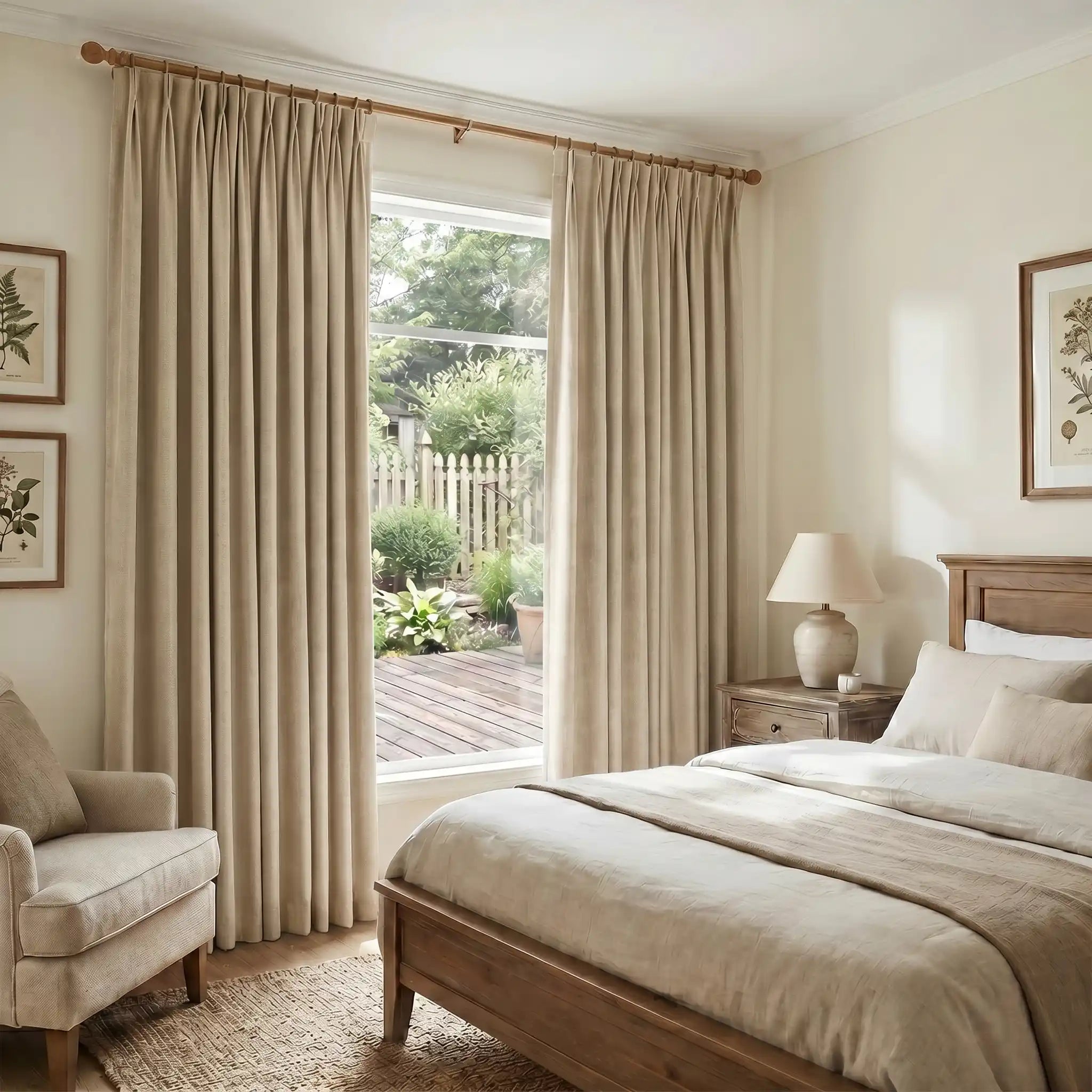
Your bedroom is your sanctuary, and the best bedroom curtains should reflect that. If you're a light sleeper or work night shifts, the best blackout curtains for bedroom spaces are a game-changer — they block out sunlight completely and even help muffle street noise. Velvet and triple-weave polyester are top choices for maximum darkness.
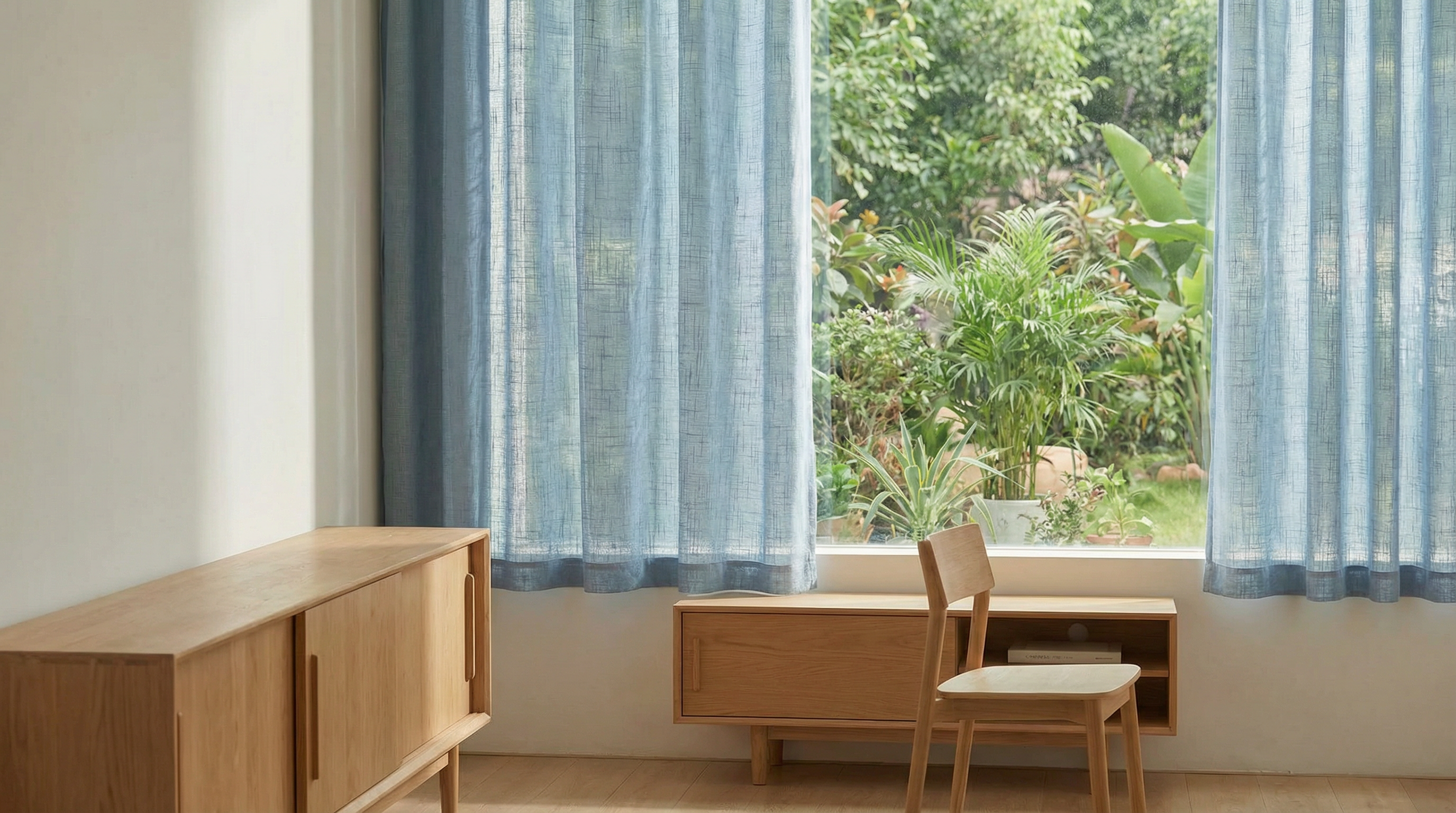
If you prefer a softer, more romantic atmosphere, the best sheer curtains for bedroom windows let in a gentle glow while still offering a degree of privacy. Many homeowners choose to layer both: sheer panels during the day, blackout curtains drawn at night. It's one of the most effective ways to how to layer sheer and blackout curtains for full flexibility.
Best Curtains for Living Room
The best curtains for living room spaces need to balance style with function. Linen curtains for living room windows are perennially popular — they're breathable, textured, and work with almost any decor style from Scandinavian minimalism to coastal casual. For a more formal look, pinch pleat or pencil pleat drapes add tailored elegance.
If your living room gets a lot of afternoon sun, consider best curtains for natural light management: light-filtering sheers that soften glare without darkening the room. For large picture windows, the best curtains for large windows are typically floor-length panels hung high and wide to frame the view dramatically.

Curtains for Sliding Glass Doors & French Doors
Sliding glass doors and French doors present unique challenges. The best curtains for sliding glass doors need to stack neatly to one side without blocking the door opening — grommet-top panels or ripple fold curtains work especially well here. For French doors, the best curtains for French doors are typically single panels per door that move with the door itself, or curtains hung on a rod above the door frame.
If you're wondering how to choose curtains for sliding glass doors, prioritize width: your curtain panels should be at least 1.5–2x the width of the door opening when closed, so they look full and luxurious rather than skimpy.
Shades & Blinds: Sleek Alternatives to Curtains
Roman Shades vs Curtains
One of the most common questions we hear is: roman shades or curtains — which is better? The honest answer is that it depends on your priorities. Roman shades fold up neatly into horizontal pleats, making them ideal for smaller windows or rooms where you want a clean, uncluttered look. The best roman shades for living room spaces are typically linen or cotton in neutral tones.
Curtains, on the other hand, add softness, movement, and drama that shades simply can’t replicate. If you want your windows to feel like a design statement, curtains usually win. If you want something streamlined and architectural, roman shades are the smarter pick.
Best Zebra Shades
Zebra shades (also called dual-layer or day-night shades) are one of the most versatile best window treatments on the market right now. Their alternating sheer and opaque bands let you dial in exactly how much light and privacy you want — slide them one way for a sheer, diffused glow; slide the other way for near-total privacy. The best zebra shades are cordless for safety and ease of use, and they work beautifully in living rooms, bedrooms, and home offices alike.

Curtains vs Blinds: Which Should You Choose?
The curtains vs blinds debate comes down to aesthetics vs practicality. Blinds are easier to clean, more moisture-resistant (great for kitchens and bathrooms), and offer precise light control. Curtains or blinds? If you want warmth, texture, and a cozy feel, curtains win every time. Many designers recommend using both: blinds for function, curtains for style layered on top.
Customization: Made-to-Measure vs Ready-Made
When it comes to ready made curtains vs custom curtains, the choice often comes down to budget and window size. Ready-made curtains are convenient and affordable, but they come in standard sizes that may not fit your windows perfectly. Custom curtains are made to your exact measurements, ensuring a polished, tailored look — especially important for best curtains for tall windows or unusually wide openings.
If you’re asking are custom curtains worth it, the answer for most homeowners is yes — especially in main living areas where the windows are a focal point. The difference in fit and finish is immediately noticeable.
Practical Tips: Hanging & Measuring
Two of the most common mistakes people make with curtains are hanging them too low and making them too narrow. Here’s the quick version of how to measure curtains correctly:
- How high should curtains be hung? Mount the rod 4–6 inches above the window frame, or even closer to the ceiling for a dramatic, height-enhancing effect.
- How wide should curtains be? Your curtain panels should total 1.5–2.5x the width of the window for a full, gathered look when closed.
- For length, curtains that just graze the floor or puddle slightly look the most intentional and luxurious.
FAQ: Your Window Treatment Questions Answered
Are blackout curtains worth it?
Absolutely — especially for bedrooms, nurseries, and home theaters. The best blackout curtains don’t just block light; they also reduce noise and help insulate the room, which can lower energy bills.
Are sheer curtains worth it?
Yes, particularly when layered with heavier curtains. Best sheer curtains soften harsh sunlight, add a layer of daytime privacy, and make rooms feel larger and airier.
Are roman shades worth it?
For smaller windows or rooms where you want a clean, architectural look, roman shades are an excellent investment. The best roman shades in linen or cotton elevate a space without overwhelming it.
Are zebra shades worth it?
If you want maximum flexibility in light control without sacrificing style, yes. Best zebra shades are particularly popular in living rooms and home offices where lighting needs change throughout the day.
Curtains vs shades — which is easier to maintain?
Shades are generally easier to wipe down and maintain, especially in kitchens or bathrooms. Curtains require more care but add warmth and texture that shades can’t match. Many homeowners use curtains or shades together for the best of both worlds.
What are the best window treatments for living room spaces?
The best window treatments for living room depend on your style and light needs. Linen curtains, velvet drapes, roman shades, and layered sheer-plus-blackout combinations are all excellent choices. The key is to choose something that complements your furniture and reflects how you use the space.